
4 min read
A Lurker Isn’t A Member Until Their First Post


Someone finds your hobbyist community, joins, browses a few threads, maybe reads a build log or a photo series start to finish, and never posts anything themselves. They found exactly what they were looking for. They just never crossed the one line that turns a visitor into an actual member of the thing they joined, and most communities have no idea how many people are sitting in that exact spot right now.
If you’ve read the AARRR piece on the one stage hobby communities are afraid to build or the 90-9-1 rule for hobbyist communities, this is the gate before either of those questions applies. A quiet member who never activates isn’t part of a healthy 90%. They’re not part of anything yet.
In this pieceWhy browsing isn’t belonging
The real first action: the first post, not the first visit
A real portfolio, not a mockup
Why this isn’t the same as follower count
What breaks activation specifically here
Where this lives inside BuddyNext
Turning it into something you actually check
Why browsing isn’t belonging
Browsing costs nothing and risks nothing. A visitor can read every thread in a hobbyist community, learn genuinely useful things, even come back repeatedly, without ever putting their own work in front of anyone. It feels like membership from the inside. From the community’s side, it’s invisible, indistinguishable from someone who left after one visit and never came back at all.
That distinction matters because a large browsing-only population can make a community look far healthier than it is. Page views and return visits climb. Actual participation, the thing that makes a community a community rather than a content archive, doesn’t move at all.
The real first action: the first post, not the first visit
For a hobbyist community, the activation event isn’t a login or a saved thread. It’s the first time someone shares something of their own, a photo, a question, a half-finished project asked about honestly. That first post is the moment a lurker takes on actual risk, the possibility of being ignored or critiqued, in exchange for the chance to actually belong to something instead of just reading about it.

A real portfolio, not a mockup
Here’s what a body of first posts eventually becomes, reachable without an account.
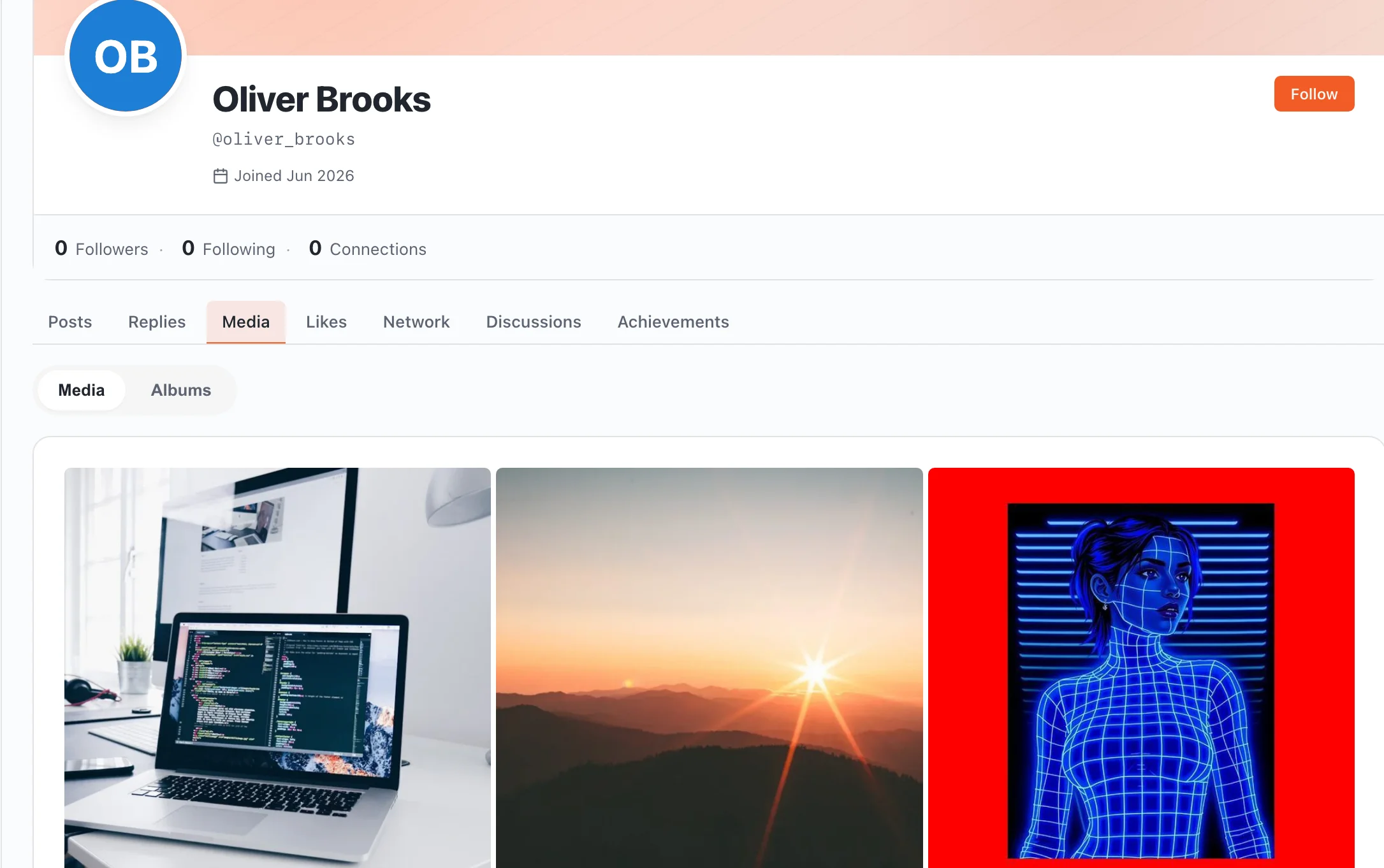
Every piece on a page like this started somewhere, and the very first one was the hardest, posted by someone who had no idea yet whether anyone would care. That single post is the entire mechanism this piece is about. Everything after it, the whole portfolio, the whole membership, only exists because that first, small, exposed moment happened at all.
Why this isn’t the same as follower count
A large follower or subscriber count for a hobbyist community can coexist with almost nobody actually posting. Following costs nothing, and a big passive audience can make the community look thriving in exactly the metric that’s easiest to inflate and least connected to whether the community itself is alive.
Activation Rate asks a narrower, less flattering question: of the people who joined recently, how many actually contributed something. A community can have five thousand followers and a functionally empty submission queue at the same time, and only one of those numbers tells you the truth about what’s actually happening inside it.
What breaks activation specifically here
The first failure is a community with no obvious low-stakes place to post something small. If the only visible threads are polished, expert-level work, a beginner’s first attempt feels like it doesn’t belong there, and they quietly decide not to find out.
The second is silence after that first post actually happens. A first share that gets zero response teaches a new member exactly the wrong lesson, that posting wasn’t worth the risk, and they’re unlikely to try again after being right about that once.
Where this lives inside BuddyNext
If you’re running the community on BuddyNext, the free Community OS for WordPress, Spaces let you create an explicitly low-stakes space for first posts and beginner work, separate from a general feed dominated by your most experienced members. For communities built specifically around visual work, pairing it with MediaVerse, a standalone photo and video community plugin (Instagram-style feeds) for WordPress, gives that first post a gallery-first presentation instead of getting buried in a generic activity stream.
Turning it into something you actually check
Weekly: of everyone who joined this week, what percentage posted anything, however small, within their first few sessions. That gap between “joined” and “posted once” is where most hobbyist communities are quietly losing the people most worth keeping, the ones who came specifically because they wanted somewhere to share this exact thing.
Related reading