
6 min read
AI Video Revolution: How Text-to-Video Technology Is Transforming Content Creation

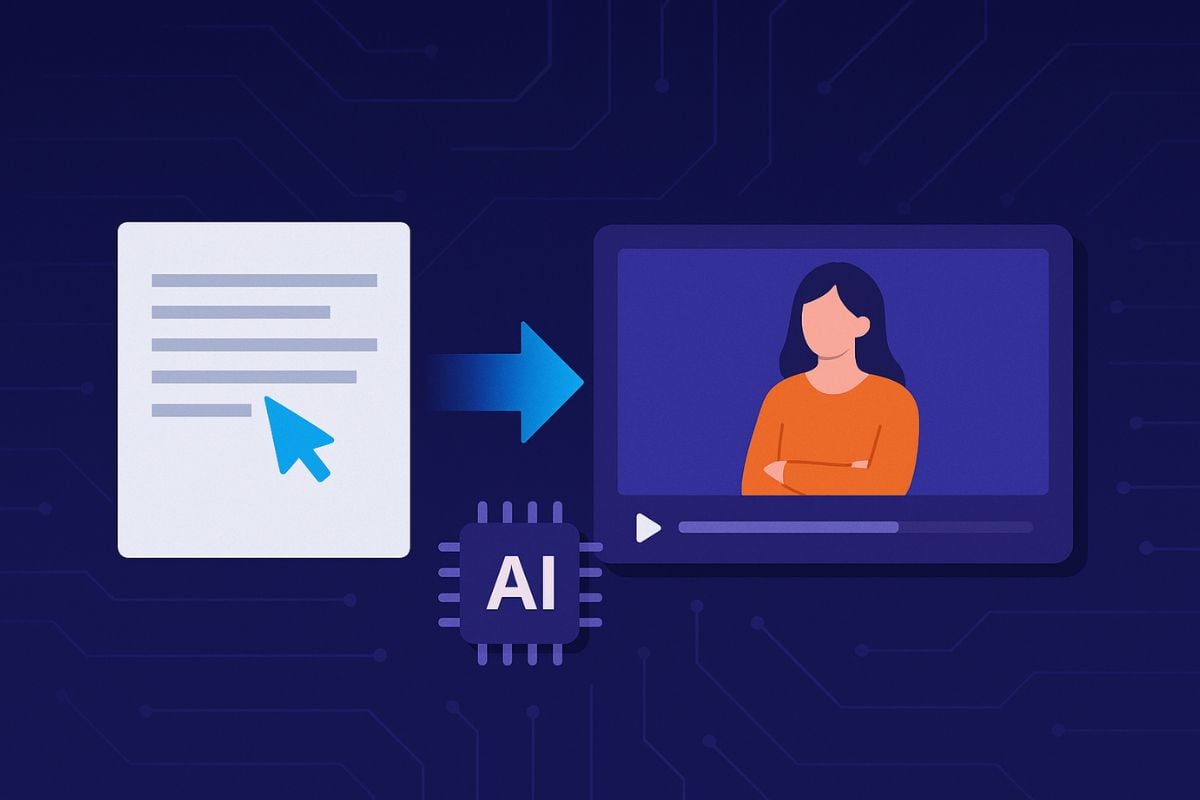
Challenges in Adopting Text-to-Video Solutions
Adopting text-to-video AI comes with challenges organizations have to work through. The technology itself still has limits that get in the way of producing high-quality video from plain text. Users run into software compatibility problems, slow rendering, and uneven output quality. Those snags cause delays and frustration, and they make it harder for content creators to get the full value out of AI video generation.
Creative obstacles complicate things too. Many creators don’t fully grasp what the technology can and can’t do, and that gap leads to weak video output. When the results don’t match expectations, confidence in AI-generated video drops. There’s also pushback from team members who prefer established production methods. Fitting new technology into existing workflows tends to meet skepticism, and it calls for a cultural shift that isn’t easy to pull off.

Overcoming Technical and Creative Hurdles
Organizations moving into text-to-video technology hit a range of technical challenges. These include the accuracy of AI-generated content and the quality of the finished video. Turning written text into engaging visuals cleanly takes sophisticated algorithms and solid infrastructure. Many tools also demand serious computing power, which can strain existing resources. Fixing these limits usually means spending on both hardware and software, so it pays to plan carefully when choosing a solution.
Creative hurdles matter just as much. Turning written narratives into striking video calls for a grasp of storytelling and a feel for what the audience wants. Creators often wrestle with how to picture concepts that don’t translate easily into images. Balancing original work against the stock templates these tools provide can also make creators hesitant to commit. Strong collaboration between the technical people and the creative people is what lets a team get the most out of text-to-video.
Future Trends in AI Video Technology
The next five years should bring real progress in text-to-video, pushed along by steady improvements in machine learning and natural language processing. As the tech matures, users can expect it to read text input more accurately, producing video that feels personalized and relevant. Better capabilities will let creators build videos with layered narratives and emotion that actually connect with audiences.
Augmented reality (AR) and virtual reality (VR) are also heading into text-to-video tools. That combination could open up immersive storytelling that pulls viewers in differently. As the tools get easier to use, amateurs and professionals alike will be able to put these advances to work, a democratization of video production that hands creative power to far more people.
Predictions for the Next Five Years
AI video technology is set for major gains over the next five years. As demand for personalized content keeps growing, text-to-video tools should get better at producing dynamic visual experiences. Advances in deep learning may let them read user inputs more sharply, so the videos match the text closely while also carrying emotional resonance and a sense of context. Businesses will put these gains to work, reaching audiences through storytelling shaped to fit them.
Pairing AR and VR with text-to-video is expected to go mainstream as well. That mix lets creators build immersive experiences that blend real-world elements with AI-generated content. Companies will lean more on solid analytics to track how audiences interact and engage. Those metrics then sharpen content strategy, so messages don’t just land but stick with viewers.
Case Studies of Successful AI Video Implementations
One clear win came from a major retail brand that used text-to-video to boost customer engagement. Turning product descriptions into short videos widened its social media reach and lifted online sales by a notable margin. The videos showed off key product features in an appealing way, catching shoppers’ attention better than static images ever did.
An education platform offers another example, bringing text-to-video into its online courses. Converting course materials and lectures into video improved both retention and engagement. Students said they understood difficult topics better when the material came as AI-generated video, which made the whole experience more interactive and enjoyable.
Real-World Examples of Text-to-Video Impact
More brands are folding text-to-video into their marketing. A well-known cosmetics company, for example, used it to create personalized product recommendations based on customer preferences. By feeding in text prompts about skin type and beauty goals, the company produced tailored video. That streamlined customer engagement and made the buying experience better.
In education, a leading online learning platform added text-to-video to enrich its courses. Educators feed in lecture outlines and key points, and the tool turns them into clean video summaries. The approach suits different learning styles and helps students retain more. It has driven up course enrollment and earned positive feedback about the experience.
Integrating Text-to-Video into Existing Workflows
Organizations that want to use text-to-video need a clear plan for bringing it in. That starts with looking at current workflows and spotting where the technology can cut steps out. Take a hard look at the tools and platforms already in use. Doing so confirms compatibility and surfaces any changes needed to make room for the new tool. Training staff to use it well matters just as much for a smooth transition.
Good communication between teams makes or breaks the rollout. Bring stakeholders in early to gather input and head off concerns. Realistic timelines keep the transition manageable. After launch, regular feedback loops help refine the process so teams can adjust as they go. Writing down what worked early on smooths the path for later projects and strengthens content creation over time.

Steps for Seamless Integration
Adopting text-to-video goes more smoothly with a deliberate approach. Start by reviewing your current content production workflows. Pinpointing where AI tools can add efficiency leads to better integration. Teams should also weigh what different text-to-video solutions can actually do. That comparison helps you pick a platform that fits both your content goals and your technical setup.
Staff training is essential. Giving people resources and support to learn the quirks of a new tool makes the switch easier. Working directly with the developers can deepen everyone’s grasp of what the software does. Asking users for feedback regularly lets you keep tuning how it’s used. A structured integration plan can lift both productivity and creativity in content work.
FAQS
What is text-to-video technology?
Text-to-video technology is an AI-driven innovation that converts written text into video content, enabling users to create videos simply by providing a script or text input.
What are the main challenges in adopting text-to-video solutions?
The main challenges include technical hurdles such as software compatibility and the need for high-quality outputs, as well as creative hurdles like maintaining brand identity and storytelling in the generated content.
How can businesses overcome the technical and creative hurdles of text-to-video technology?
Businesses can overcome these hurdles by investing in quality training for their teams, selecting user-friendly software, and collaborating with creative professionals to ensure that the generated videos align with their brand and messaging.
What are some predicted trends for AI video technology in the next five years?
Predictions include increased personalization in video content, enhanced integration with other AI tools, advancements in real-time video generation, and greater accessibility for smaller businesses and individual creators.
Can you provide examples of successful text-to-video implementations?
Yes, various companies have successfully integrated text-to-video technology into their marketing strategies, such as using automated video creation for social media campaigns or employee training, resulting in increased engagement and efficiency.
Interesting Reads
10 Best WordPress Theme for Grocery Stores in 2025
Performance Review Goals Examples for Setting Impactful Objectives
Related reading