
6 min read
From Website to App: 5 Apache Cordova Alternatives You Should Try


Turning your website from website to app has never been easier - or more important. Whether you’re running an eCommerce store, a SaaS platform, or a content-rich website, offering your users a branded mobile experience can boost engagement, retention, and revenue. A mobile app isn’t just a trend - it’s a chance to stay connected with your audience wherever they are.
For a long time, Apache Cordova was the go-to solution for wrapping websites into mobile apps. But the mobile landscape has changed dramatically. Newer, easier-to-use tools now make Cordova feel outdated, overly complex, and developer-centric. You don’t need months of coding or plugin maintenance to launch a professional mobile app anymore.
In this article, we’ll explore five powerful Cordova alternatives that let you turn your website into a native-feeling mobile app for iOS and Android - faster, simpler, and more strategic than ever before.

Why Apache Cordova Might Not Be the Best Choice
Cordova was a pioneer in hybrid mobile app development, giving developers a way to wrap web apps in a native container. However, it was designed with developers in mind, rather than business owners or marketers seeking to launch a branded app quickly.
Using Cordova comes with some challenges:
- You need complete control of your codebase, which means maintaining it over time.
- You must handle native plugins, which often break or require updates.
- You need technical expertise to navigate App Store guidelines, device quirks, and OS updates.
While this made sense a decade ago, today’s tools let you skip all that hassle. If your website is already live and loved by your users, you can launch a fully functional mobile app in weeks, not months, without rewriting your entire site.
Also Read: The Digital Code: How Web Design Is Powering the Esports Betting Boom
What to Look for in a Cordova Alternative
Not all Cordova alternatives are created equal. Here’s what you should look for when evaluating tools:
- No-code or low-code platforms for a more straightforward setup
- Support for iOS and Android
- Native features like push notifications, navigation tabs, and splash screens
- Real-time sync with your website to avoid duplicate updates
- Fast time-to-market, ideally in weeks rather than months
- Hands-on support from experts who understand mobile app strategy
- ROI-focused tools, not just app delivery
With these criteria in mind, let’s dive into the top alternatives to Apache Cordova.
1. MobiLoud - The Fully Managed Solution for Serious Businesses

Best for: eCommerce brands, SaaS platforms, and content publishers
MobiLoud is more than a tool - it’s a fully-managed service for converting websites into high-performing iOS and Android apps. Unlike DIY platforms, MobiLoud takes care of everything, so you don’t need to code, maintain a separate codebase, or worry about plugins.
What makes MobiLoud special:
- Your app mirrors your website one-to-one but includes native features, such as push notifications, tabbed navigation, splash screens, offline handling, and more.
- You get a dedicated team of experts guiding you from setup to launch and beyond.
- Every part of the app is optimised for performance, retention, and revenue growth.
Behind the scenes support:
- Customer Success Managers help ensure smooth launches and push notification strategies.
- Product & Support Leads handle QA and technical optimisations to ensure a flawless experience.
- UX specialists focus on improving user engagement and app usability.
Why MobiLoud beats Cordova:
- No development work needed
- Fast time-to-market (under 30 days)
- Complete sync with your website
- Native features that drive retention
- Post-launch support and analytics
Trade-off: Less low-level customisation than frameworks like Cordova - but much faster and ROI-focused.
Also Read: The Role Of React Native In Cross-Platform Mobile Development
2. AppMySite - Affordable, No-Code Apps for WordPress & WooCommerce

Best for: Bloggers, indie retailers, and solo founders
AppMySite is a no-code platform designed for WordPress and WooCommerce site owners who want to create a simple mobile app quickly. It imports your content automatically and lets you customise your app visually with a drag-and-drop editor.
Features that make it useful:
- No coding required
- Automatic content import from WordPress
- Push notifications and WooCommerce in-app purchases
- Free preview mode before publishing
- Real-time website-to-app content sync
AppMySite is perfect for small businesses or side projects that need an app without breaking the bank, but it’s limited if your site has complex requirements or you need hands-on support for growth.
Trade-off: Entry-level platform, less flexible than developer frameworks.
Also Read: The New Frontier of E-Commerce: How Business Models are Evolving with Digital Deals
3. BuildFire - Flexible Apps Without Full Coding
Best for: Mid-sized businesses, agencies, and internal teams
BuildFire is a low-code platform that balances flexibility with ease of use. It features a drag-and-drop builder and a library of 150+ plugins for eCommerce, loyalty programs, media, and more.
Why BuildFire works:
- Build apps visually with no coding
- Pre-built plugins for common app features
- Native app performance (not just a webview)
- Developer SDK for custom plugin creation
BuildFire is ideal for businesses that want more control than basic app builders but don’t want to manage full-code projects.
Trade-off: More expensive and time-intensive than basic tools - but worth it for mid-level customisation and performance.
4. AppPresser - WordPress-Centric Mobile Apps
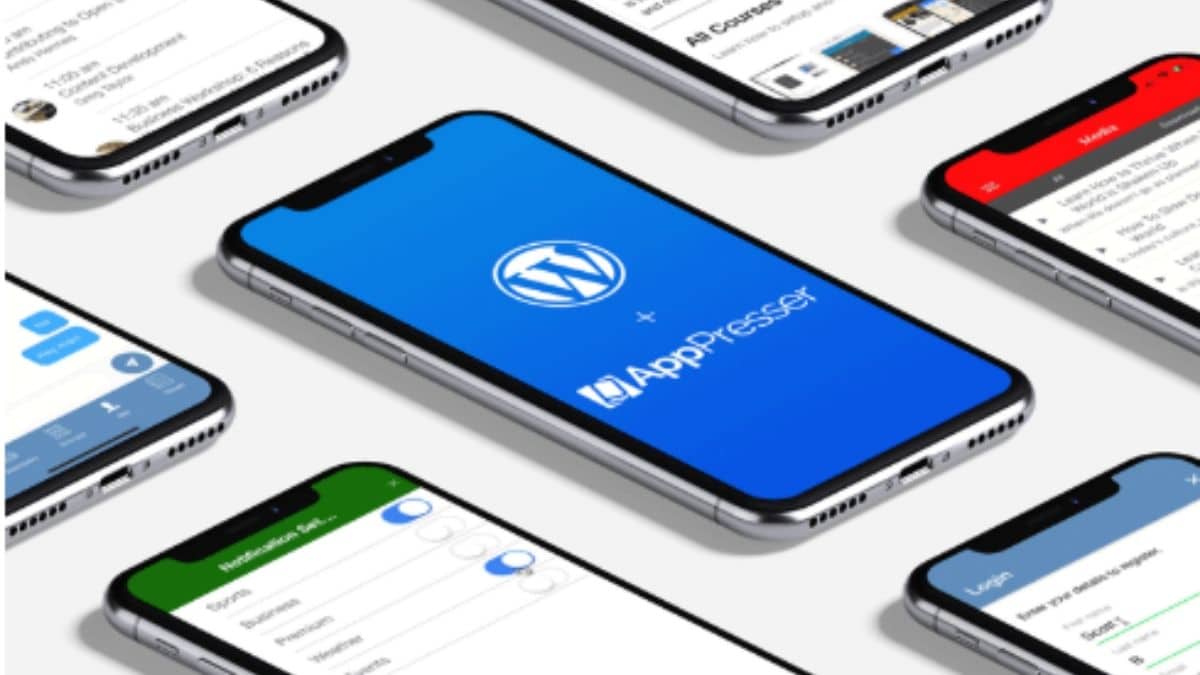
Best for: WordPress publishers, educators, and community site owners
AppPresser is built specifically for WordPress users. It lets you manage your mobile app from the WP dashboard, with integration for plugins like WooCommerce, BuddyPress, and LearnDash.
Key features:
- Control your app directly from WordPress
- Support for common WP plugins and functionality
- Push notifications triggered by website updates
- Familiar interface for WordPress users
AppPresser is perfect if you want to stay within the WordPress ecosystem while offering a mobile app.
Trade-off: Limited to WordPress-based sites and standard setups; less suited for complex customisations.
5. Ionic Capacitor - From Website to App

Best for: Web development teams looking for a modern hybrid solution
Capacitor, developed by the Ionic team, is Cordova’s modern successor. It provides better tooling, plugin integration, and support for frameworks like React, Vue, and Angular. It’s ideal for teams that want full control over their app development.
Features:
- Modern hybrid app development framework
- Access to native device APIs via JavaScript
- Active updates and maintenance
- Simplified plugin system
Trade-off: Still requires development expertise and ongoing management - but it’s a more modern, reliable option than Cordova for developer teams.
Which Cordova Alternative Should You Choose?
Here’s a simple guide:
| Goal | Recommended Tool |
|---|---|
| Fastest, fully-managed solution | MobiLoud |
| Budget-friendly WordPress apps | AppMySite or AppPresser |
| Customisation without full code | BuildFire |
| Maximum developer control | Ionic Capacitor |
No matter your size or technical resources, there’s a modern Cordova alternative to get your app to market faster and with less hassle.
Why MobiLoud Stands Out
MobiLoud is the only done-for-you solution on this list. With MobiLoud, you get:
- A working app in 30 days, no coding required
- Unlimited push notifications and native UI elements
- Full support for App Store approvals and updates
- Direct access to a dedicated team of experts
- Instant website-to-app content sync
It’s perfect for eCommerce stores, content publishers, and SaaS platforms that want to unlock mobile revenue and engagement without building or managing an app themselves.
Also Read: 10 Best Software for Mobile App Development

Final Thoughts
Cordova helped define the hybrid app space - but today, better options exist.
- No-code platforms like MobiLoud deliver fast, fully-managed apps.
- DIY WordPress solutions like AppMySite and AppPresser are affordable and simple.
- BuildFire offers mid-level customisation with low-code ease.
- Ionic Capacitor provides developer-level control with modern tooling.
For most businesses, MobiLoud offers the best combination of speed, support, and simplicity - without compromising on quality or performance.
Interesting Reads:
Top 6 Plugins To Convert WordPress Site To Mobile App
7 Best Paid And Free App Builders
Building Responsive Web Apps With React Native: Tips and Tricks for Success
Related reading