
4 min read
The New Frontier of E-Commerce: How Business Models are Evolving with Digital Deals

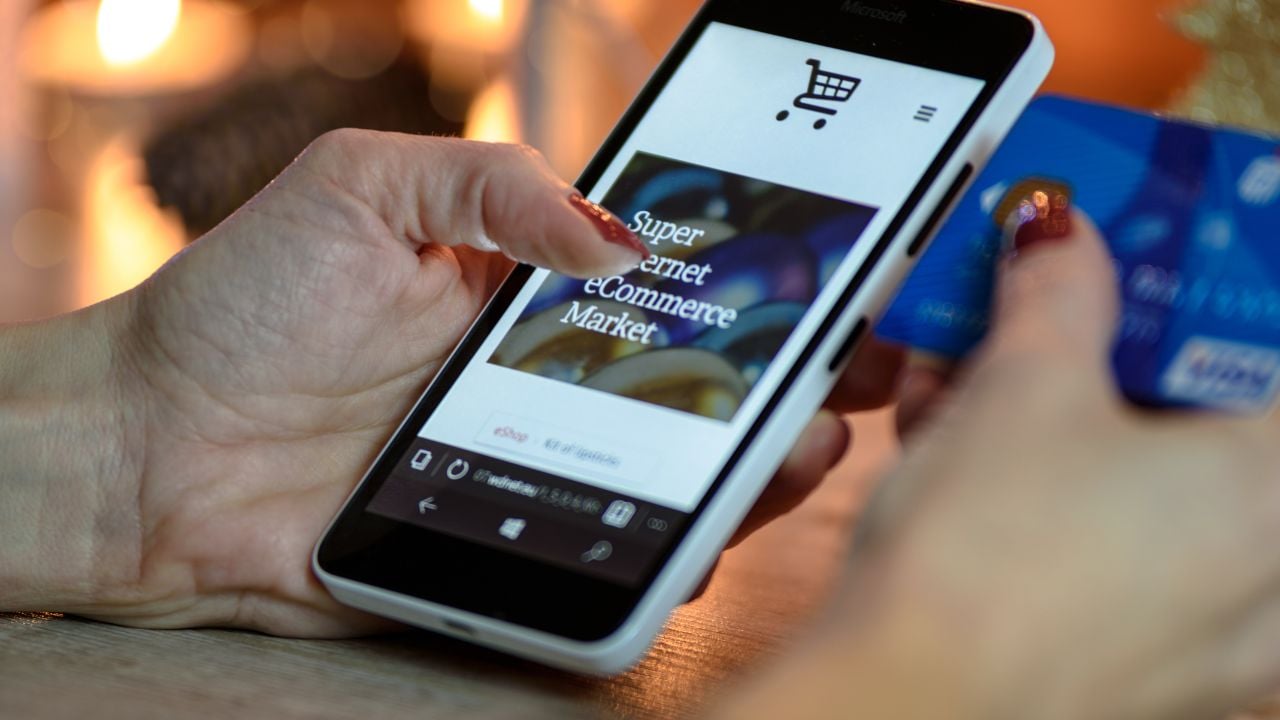
The pace of online shopping is reshaping how businesses function from the ground up. What once felt like a slow evolution has become a sprint, with e-commerce platforms racing to meet shifting expectations. Fast checkouts, one-click offers, and tailored product suggestions are no longer extras - they’re the baseline. At the core of this New Frontier of E-Commerce are digital deals. They’re changing how customers buy and also how companies sell, deliver, and build loyalty. Subscription models are being reworked, flash sales are designed to create urgency without feeling forced, and dynamic pricing tools are quietly running in the background, adjusting in real time.

Instant Access Wins All the Time- New Frontier of E-Commerce
People don’t want to be slowed down by sign-up hoops, drawn-out verifications, or clunky user flows. If something’s being offered, they expect to grab it right away, and if they can’t, they’re likely to move on.
This expectation has forced businesses to strip away the friction. Offers need to be live and usable in seconds. So, convenience has become a competitive edge, and the brands that deliver it smoothly are the ones getting attention.
This is especially visible in the world of sweepstakes casinos. Anyone looking for fast access to sign-up rewards can simply visit sweepscash.com for the best deals, where updated lists make it easy to find platforms handing out generous prizes right from the start. No delays. No complicated terms. Just a few clicks and you’re in. It’s a model that speaks directly to what digital-first users want: instant value, minimal effort.
The same principle is catching on in other industries too. Meal kit companies like HelloFresh let customers pick recipes and set up deliveries in minutes, often from their phones while standing in line somewhere. The idea isn’t just convenience; it’s control. Users want to make choices on their terms, act on them immediately, and get something tangible without any lag.
Also Read: 10 Best WordPress Subscription Plugins
Subscription Culture: Keeping Customers Engaged Long-Term

A major shift in how digital businesses operate is the growing focus on subscriptions. Streaming giants like Netflix and Spotify set the tone for how this model works.
They don’t just give access to content; they learn what users like, when they watch, how often they return, and what keeps them coming back. Their platforms are constantly adjusting, suggesting playlists, movies, and shows that fit personal tastes. It’s subtle, but it works, and it keeps subscribers from even thinking about cancelling.
In the physical world, subscription boxes follow a similar rhythm. Dollar Shave Club, for example, turned a simple need (razors) into a branded monthly ritual.
For businesses, subscriptions mean stability. For customers, they mean less decision fatigue. When both sides benefit, the model sustains itself.
Also Read: Unlocking the Power of Subscription Marketing: Strategies, Benefits, and Success Tips for Businesses
Why Personalization Isn’t Optional Anymore
E-commerce today is less about selling to a crowd and more about speaking to the individual. People have come to expect digital experiences that reflect their preferences, habits, and timing.
Amazon can be taken as an example. The way the platform surfaces recommendations based on past purchases and browsing behavior makes the shopping process feel intuitive, even when you didn’t plan to buy anything in the first place.
Email marketing has gone through a similar evolution. Smart brands segment their audiences, targeting messages that make sense for where the customer is in their journey. The difference between a click and a delete often comes down to whether the message feels like it was written for the reader - or for a list.
At the center of all of this is one truth: people want to feel seen. The better a brand reflects that, the more likely it is to earn repeat attention.
How Phones Are Changing Everything- New Frontier of E-Commerce

The way people shop did change, but perhaps the most overlooked detail is where they’re doing it from. Phones have become the main stage for digital commerce. If something can’t be accessed or purchased on mobile, it’s often ignored altogether.
Retailers caught on quickly. Mobile apps deliver location-based deals, time-sensitive push notifications, and frictionless checkout with saved preferences. They also make rewards tracking and offer redemption feel automatic, which keeps users engaged without asking them to do much.
Mobile wallets like Apple Pay and Google Wallet have pushed this shift even further. No typing, no card numbers, just a quick tap and it’s done. That speed doesn’t just help at checkout; it removes hesitation. If the transaction is fast and smooth, more people complete it.
Also Read: Understanding Memberships and Subscriptions in Community Platforms
E-Commerce That Moves With the User
The digital shopping space is changing fast, and at the center of it all are users who want things to be quick, useful, and tailored to their lives. Subscription services make it easy to stay connected. Personalization keeps the experience relevant. Mobile access makes everything feel within reach. And across it all, businesses are learning that value isn’t just about price; it’s about fit, speed, and flow.
Interesting Reads:
Why Should I Use a Virtual Phone Number for SMS?
Related reading