
6 min read
Mobile Apps vs Mobile Websites: Choosing the Right Solution for Your Users


Have you ever caught yourself spending hours scrolling through Instagram, checking out Amazon deals, or bingeing on Netflix - all on your phone? If so, you’re not alone. Today, over 60% of all global web traffic happens on mobile devices, and when it comes to Mobile Apps vs Mobile Websites, most of that time isn’t on websites - it’s in apps.
That naturally raises the million-dollar question: Should businesses focus more on mobile apps or mobile websites?
The truth is, apps are winning this battle - and not just by a little. Data shows people spend the overwhelming majority of their mobile time inside apps, and that usage is growing faster than ever. But that doesn’t mean mobile websites are irrelevant. Both have a role to play.
So, in this article, we’re going to:
- Share some eye-opening stats on mobile app vs mobile web usage
- Break down why people love apps so much
- Look at the business benefits of having an app
- Help you figure out whether your brand needs an app, a mobile website, or both
Let’s dive in.

People spend 90% of Their Mobile Time in Apps.
Consider your own habits for a moment. When you grab your phone, do you type in a website address or open an app?
Chances are, you’re clicking on an app.
According to eMarketer, smartphone users spend about 4 hours online per day. Of that, 88% is in apps, and only 12% in browsers. In other words, we’re glued to apps.
And this isn’t slowing down. App usage has skyrocketed worldwide. Data.ai found that:
- Australians went from spending just over 3 hours/day on apps to 5 hours/day in two years (a 50% increase).
- Singaporeans boosted their daily app time by 40%, now clocking over 5 hours a day.
- Even in established markets like the U.S. and U.K., app time continues to climb, hitting nearly 4 hours a day.
Why does this matter? Because people’s attention is shifting more and more towards apps, and businesses that want to connect with users need to meet them there.
E-commerce Apps Are Exploding

One area where this shift is especially obvious is shopping.
Think about it - when was the last time you bought something on Amazon using your mobile browser? Probably not recently. The Amazon app is faster, smoother, and more convenient.
This isn’t just about Amazon, though. Across e-commerce, shoppers now spend over 100 billion hours per year inside shopping apps. That figure has more than doubled in three years.
And here’s the kicker: apps don’t just attract users - they convert better too.
Studies show:
- Users view 4.2x more products per session on apps than on mobile websites.
- Conversion rates are 3x higher on apps.
- Depending on the industry, conversion rates skyrocket:
- Entertainment apps: +233%
- Travel apps: +220%
- On-demand apps: +307%
Imagine running an online store where your sales funnel is three times more effective just because customers are using your app instead of your website. That’s why e-commerce brands are racing to launch apps.
Why People Prefer Apps Over Mobile Websites- Mobile Apps vs Mobile Websites
So what’s behind the obsession with apps? Let’s break it down into human terms.
1. More Features = More Fun- Mobile Apps vs Mobile Websites
Apps aren’t just prettier - they’re more powerful. They can use your phone’s GPS to suggest nearby stores, your camera to scan products, and push notifications to keep you updated in real time.
Websites can’t compete with that.
2. Speed That Doesn’t Test Your Patience
Ever clicked a link and sat there waiting for a mobile site to load? Frustrating, right? Apps solve this. Because they’re installed on your phone, most of the heavy lifting is already done. That means pages load instantly.
Some apps even work offline, letting you read saved articles, play games, or shop without an internet connection.
3. Built for Humans (and Touch Screens)
Apps are designed specifically for small screens and tapping fingers. Websites, even mobile-friendly ones, can feel clunky - tiny buttons, endless scrolling, and dropdowns that never quite behave. Apps, on the other hand, are smooth, intuitive, and fun to use.
4. Convenience is King- Mobile Apps vs Mobile Websites
One tap on your home screen, and you’re inside the app. No need to type URLs, log in repeatedly, or struggle with clumsy mobile forms. Apps remember your preferences and make life easier.
And let’s be honest: when something is easier, people use it more.
Also Read: Push Notifications vs Email: Which Is Better? (Pros and Cons)
Why Apps Are a Big Win for Brands
It’s not just users who benefit. Apps give brands some serious advantages, too.
1. You Control the Environment
On a website, users can click away at any second. In an app, everything is self-contained, making it easier to hold attention and guide customers where you want them to go.
2. Your Brand Lives on Their Home Screen
Closing a browser tab means your site disappears. Closing an app still leaves your brand logo staring back at users from their phone’s home screen. That’s a powerful brand presence.
3. Push Notifications Beat Emails
Push notifications are game-changing. Studies show:
- Push open rates: 20%
- Push click-through rates: 28%
- Compare that to emails:
- Email open rates: 2.1%
- Email click-through rates: 1%
That’s not even close. With push, you can reach your audience instantly and personally.
Should You Build an App or Stick With a Mobile Website?
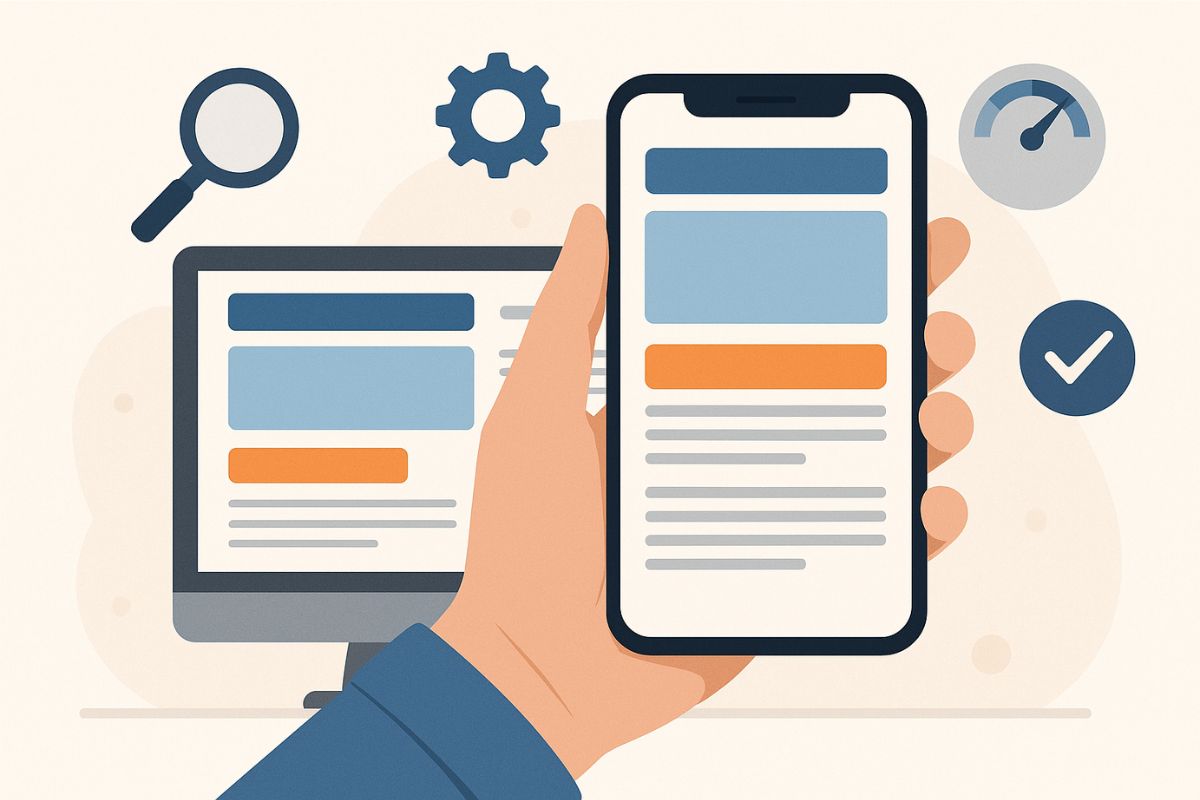
By now, you might be thinking: “Okay, apps sound amazing. Should I ditch my mobile website?”
The short answer: No - you need both.
Here’s why:
- Mobile websites are great for discovery. They’re how new people find you through Google and social media.
- Apps are perfect for retention. Once someone knows and trusts your brand, the app keeps them coming back.
As David Cost from Rainbow Shops says:
“Users break into two camps. There are users who prefer to buy on the app and users who prefer using the browser. You can’t convince one to go the other way - you need to meet them where they are.”
That’s exactly why smart businesses are investing in both.
Also Read: Leveraging Push Notifications: Best Practices for Optimal Impact
How to Turn Your Website Into an App (The Easy Way)
Now, if you’re worried about the cost and complexity of building an app, here’s the good news: you don’t have to start from scratch.
Platforms like MobiLoud let you convert your existing mobile website into a full-fledged app in under a month.
Here’s what you get:
- Fast launch (weeks, not months)
- Affordable cost (1 - 2% of native app development)
- Seamless integration (your app updates whenever your site does)
- Zero coding required (the heavy lifting is done for you)
- Ongoing support & maintenance
That’s why big brands like Jack & Jones, Vero Moda, and Estee Lauder use MobiLoud to power their apps.
Wrapping Up: Apps Are the Future - But Don’t Forget Websites
Let’s bring it all together.
People are app-crazy. They spend nearly 90% of their mobile time in apps, and this number continues to grow. Apps are faster, smoother, and more engaging than websites - and they deliver massive business benefits like higher conversions, stronger retention, and better brand presence.
But that doesn’t mean websites are dead. A strong mobile website is still essential for discovery, SEO, and first impressions. The real magic happens when you combine both:
- Use your website to attract new visitors.
- Use your app to turn them into loyal, long-term customers.
With tools like MobiLoud, building an app has never been easier or more affordable. So if you want to level up your mobile strategy, it might be time to give your customers what they really want: an app that makes engaging with your brand effortless.
Interesting Reads:
What Are Push Notifications? A Guide to Setting Them Up on Your WordPress Site
Related reading