
5 min read
11 Best AI Website Builders To Create Websites 2026

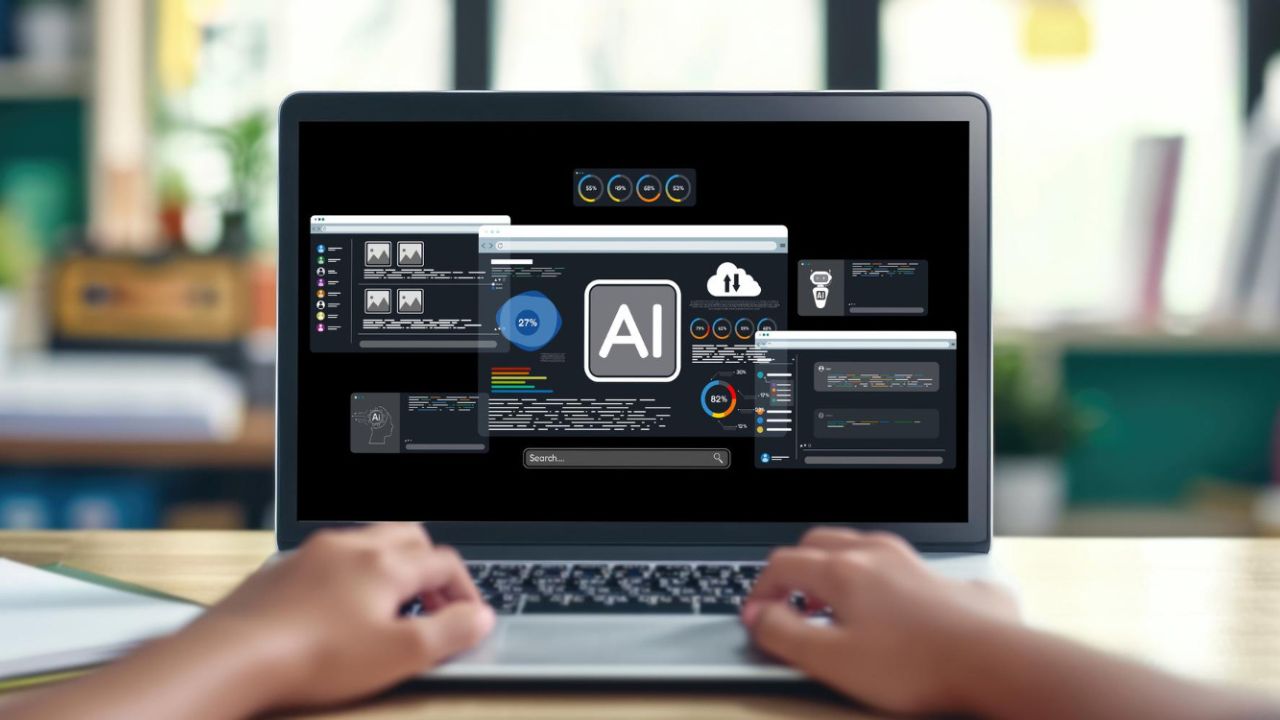
Building a website no longer requires coding expertise or a design degree. AI website builders have changed how it works: they read your inputs, generate layouts, tidy up your content, and hand you a polished site in minutes. Whether you are launching a personal portfolio, an eCommerce store, or a business website, the right AI website builder can save you weeks of development time while still producing professional results.
This roundup looks at the eleven best AI website builders you can use in 2026. We cover the full range, from full-control platforms like WordPress to conversational AI builders like Wegic, so you can find the one that matches your technical skill level, your budget, and where you want to be in a year or two.
What Is an AI Website Builder and How Does It Work
An AI website builder is a software platform that uses artificial intelligence and machine learning to automate and speed up website creation. Instead of hand-coding HTML, CSS, and JavaScript, you provide basic information about your business, pick a few design preferences, and let the AI do the heavy lifting.
The typical process runs through several stages:
- User Input: You provide information about your industry, preferred color scheme, layout style, and content requirements.
- Content Analysis: The AI uses natural language processing and image recognition to analyze your content and business context.
- Template Selection and Personalization: Based on your inputs, the AI selects and customizes a template, automatically populating it with your content.
- Design Optimization: The AI adjusts color schemes, typography, spacing, and visual elements for a cohesive, professional look.
- Responsive Design: The platform ensures your site works flawlessly across desktops, tablets, and smartphones.
- SEO Optimization: Many AI builders incorporate on-page SEO features, optimizing your content structure for search engine visibility.
The 11 Best AI Website Builders
1. WordPress.org - Best for Full Control and Long-Term Growth
WordPress.org powers over 40 percent of all websites worldwide, which makes it the most popular platform for building any type of website. Unlike drag-and-drop builders, it gives you complete control over customization, plugins, SEO, and scalability. With over 11,000 themes and 59,000 plugins available, there is virtually no limit to what you can build.
WordPress suits anyone who wants total ownership of their site and the room to scale from a simple blog to a complex eCommerce platform or online community. If you would rather have professional help with setup, Wbcom Designs offers expert WordPress development and customization services.
Pros: Unlimited customization, massive plugin ecosystem, full site ownership, best long-term SEO capabilities.
Cons: Slight learning curve for beginners, requires separate hosting and domain setup.
Hosting starts around: $3 to $10 per month depending on the provider.
2. Wegic - AI Website Builder for Instant Site Creation
Wegic takes a conversational approach to website building. You describe your business or idea to an AI assistant, and it generates a complete, polished website including text, structure, and visual elements. From there you can customize sections visually without touching code. Wegic is at its best with landing pages, startup sites, portfolios, and service pages where speed matters most.
Pros: Creates full websites through conversation, no coding needed, fast results.
Cons: Limited flexibility compared to open platforms, fewer advanced features than WordPress.
3. Wix ADI
Wix ADI (Artificial Design Intelligence) reads your inputs about industry type, design preferences, and content requirements, then generates a personalized website automatically. It weighs color schemes, fonts, layout structures, and images to produce a visually appealing site that needs little manual adjustment.
4. Squarespace
Squarespace is known for its stunning, professionally designed templates and a strong emphasis on modern aesthetics. The platform gives you everything you need to build a beautiful website, including drag-and-drop editing, eCommerce capabilities, and built-in analytics. It is especially popular with creative professionals and small businesses that put visual impact first.
5. Weebly
Weebly offers a straightforward drag-and-drop builder that is ideal for beginners. Its templates are mobile-responsive and easy on the eye, and the platform includes basic eCommerce, SEO, and marketing tools. It works well for small businesses and personal projects that do not need complex functionality.
6. Webflow
Webflow bridges the gap between visual design and professional web development. It gives you full control over layout, animations, and interactions through a visual editor while generating clean, production-ready code. Designers and developers who want creative freedom without writing code by hand tend to gravitate toward it.
7. uKit
uKit is a user-friendly builder focused on small businesses. It offers professionally designed templates, a drag-and-drop interface, and the business essentials such as contact forms, social media integration, and SEO tools. uKit keeps things simple and affordable.
8. SITE123
SITE123 lives up to its name by making website creation as simple as possible. It targets beginners with no technical knowledge, offering intuitive tools, customizable templates, and straightforward hosting. The platform supports multiple languages and includes a free plan for basic sites.
9. Jimdo
Jimdo uses AI to create personalized websites from your business information. It offers mobile-responsive templates, eCommerce functionality, and basic SEO tools. It is a solid choice for small businesses and individuals who want a professional online presence without the complexity.
10. Strikingly
Strikingly specializes in single-page websites with smooth scrolling designs. That approach works exceptionally well for portfolios, landing pages, and simple business sites. The platform is easy to use and offers both free and paid plans to match different needs.
11. Duda
Duda is a powerful builder designed for web professionals and agencies. It offers advanced features like client management tools, team collaboration, multilingual support, and white-label options. Duda’s templates are responsive and fully customizable, which makes it a good fit for businesses that manage multiple client websites.
How to Choose the Right AI Website Builder
The best AI website builder for you comes down to a few factors:
- Technical skill level: If you want full control, WordPress is unmatched. For zero-code simplicity, Wegic or Wix ADI are excellent choices.
- Budget: Free options exist on platforms like SITE123, Weebly, and WordPress (with self-hosting), while premium platforms like Squarespace and Duda require monthly subscriptions.
- Purpose: eCommerce sites benefit from WordPress with WooCommerce or Squarespace. Creative portfolios shine on Squarespace or Strikingly. Complex web applications are best served by Webflow.
- Scalability: WordPress offers the most growth potential, while simpler builders may become limiting as your needs expand.
- SEO requirements: WordPress with plugins like Yoast SEO or Rank Math provides the most comprehensive SEO capabilities.
Summary
AI website builders have opened web development up to almost anyone, and a professional online presence is now within reach without a developer on call. WordPress is still the gold standard for flexibility and long-term growth, while Wegic, Wix ADI, and Squarespace are strong picks if speed and simplicity matter more to you. Weigh up your own needs, test the platforms that catch your eye, and pick the one that will support your goals as they grow.
Related reading