
2 min read
Unlocking the Advantages of Comprehensive ISO Compliance Lifecycle Monitoring


ISO compliance isn’t a one-time event. It’s a lifecycle that starts with assessment and continues through implementation, certification, and ongoing adherence. Monitoring each stage keeps your organization aligned with standards and helps you spot gaps early.
An ISO framework provides the structure for this monitoring. Here’s how to make it work.

What Is ISO Compliance Lifecycle Monitoring?
It covers every stage of your ISO journey: initial assessment, implementation, certification, and ongoing compliance. Monitoring each phase ensures you meet standards consistently and catch problems before they become costly.
Key Benefits
Consistent Adherence
Regular evaluations catch deviations early. Everyone stays accountable. You maintain standards without last-minute scrambles before audits.
Better Efficiency
Routine reviews reveal inefficiencies. You refine processes, reduce waste, and manage resources better, all while staying compliant.
Stronger Risk Management
Continuous assessment finds vulnerabilities before they cause problems. Early detection means faster fixes and fewer disruptions.
Strategies for Effective Monitoring
Build a Clear Framework
Define procedures and metrics for each compliance stage. Include regular reviews, risk assessments, and corrective action plans. A clear framework simplifies the whole process.
Automate Where Possible
Use automation tools for real-time compliance monitoring. Automated tracking reduces manual work and gives you faster alerts when something drifts off standard.
Run Regular Internal Audits
Audits assess your current status and reveal gaps. They also prepare you for external certification reviews. Make them a regular part of your calendar, not a once-a-year event.
Using Technology
Compliance Management Software
These tools automate documentation, track tasks, and generate reports. They reduce the time and effort needed to stay compliant. Data-driven insights help you improve processes over time.
Data Analytics
Analyze trends and patterns to spot risks early. Analytics gives you a deeper view of performance so you can make informed adjustments before problems grow.
Dashboard Tools
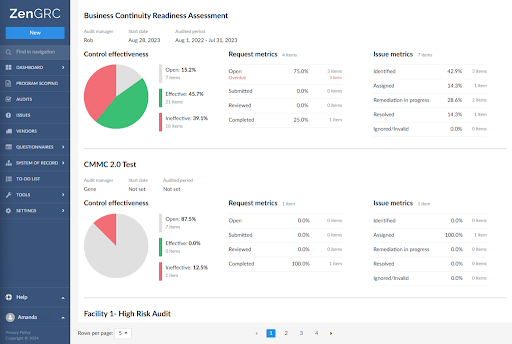
Centralized dashboards show compliance status at a glance. Track KPIs, monitor progress, and spot issues in real time. Dashboards make team communication easier too.
Maintaining Long-Term Compliance
Ongoing Training
Your team needs to understand ISO requirements and their role in meeting them. Regular training keeps awareness high and builds a compliance-first culture.
Continuous Improvement
Review processes regularly. Use audit feedback, employee input, and data analysis to make things better. Continuous improvement drives both compliance and business success.
Watch for Regulatory Changes
Standards evolve. Monitor updates and adjust your processes quickly. Staying current prevents compliance gaps from forming.
Common Challenges
Balancing Monitoring with Operations
Compliance monitoring shouldn’t disrupt daily work. Automated tools minimize the manual burden so teams can focus on core tasks while staying compliant.
Managing Data Overload
Compliance generates a lot of data. Prioritize key metrics. Use analytics to filter what matters. Focus on actionable insights, not raw numbers.

Bottom Line
ISO compliance lifecycle monitoring keeps your organization aligned with standards at every stage. With the right framework, automation tools, and team training, compliance becomes a strength rather than a burden.
Invest in monitoring now. It pays off in efficiency, risk reduction, and long-term business success.
Interesting Reads:
How iOS Development Companies Ensure App Store Success
Related reading
- Basement Water Damage Restoration Essential Checklist For Homeowners
- Drain And Sewer Repair Comprehensive Checklist For Homeowners
- Diy Cleaning vs Professional Outdoor Drain Cleaning Service Which Saves You More
- Choosing a Reliable Drain Cleaning Service
- Common Tools That Simplify Emergency Leaky Pipe Repair 5 Essentials
- Why Homeowners Should Prioritize Regular Septic Pump Out Service For Longevity