
7 min read
The Ins And Outs Of Predictive Maintenance Software

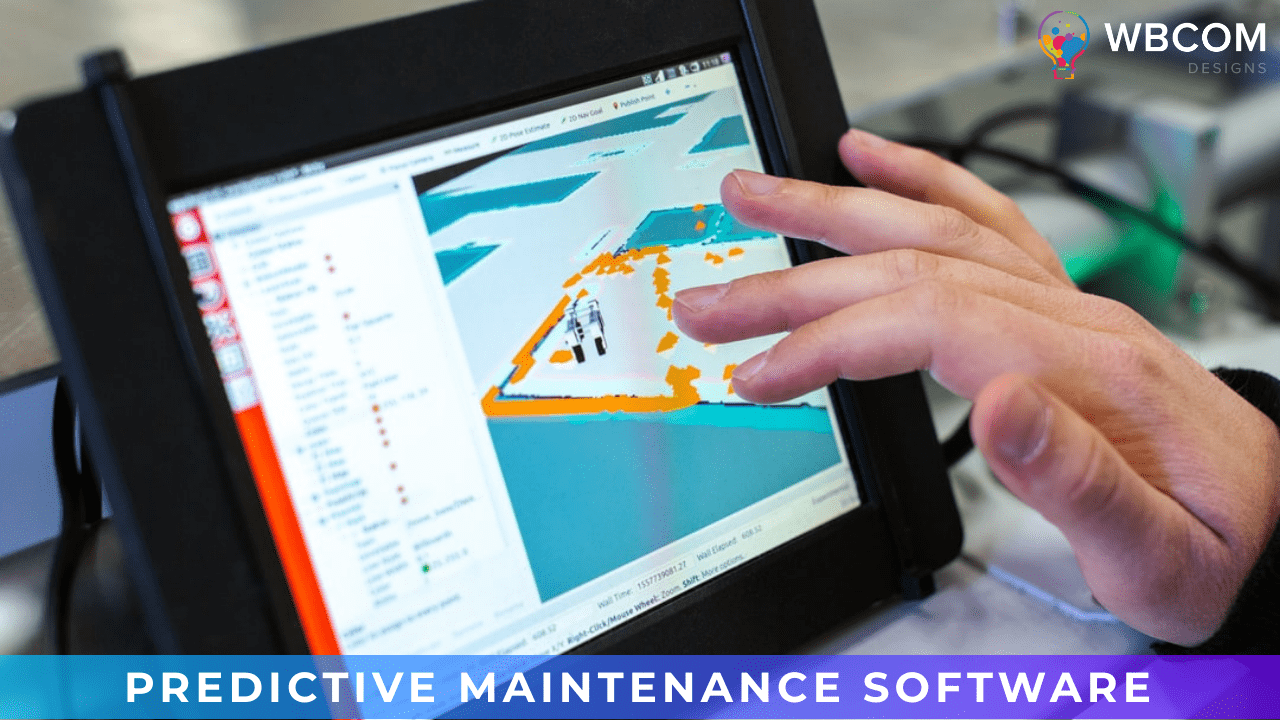
Imagine being able to predict equipment failures before they happen, schedule repairs during planned downtime, and eliminate the costly surprises that drain budgets and disrupt operations. This is not science fiction. It is exactly what predictive maintenance software delivers, and it is transforming how businesses across industries manage their physical assets.
For technology-driven businesses, including those that manage WordPress hosting infrastructure, web server farms, or digital service platforms, the principles behind predictive maintenance are directly applicable. Whether you are maintaining industrial equipment or ensuring the uptime of critical web infrastructure, the core concept remains the same: use data to anticipate problems before they become failures.
What Is Predictive Maintenance?
Predictive maintenance, also known as condition-based maintenance, is an asset management strategy that uses real-time monitoring data, historical performance records, and advanced analytics to predict when equipment is likely to fail. Unlike reactive maintenance, which waits for breakdowns to occur, or preventive maintenance, which follows fixed schedules regardless of actual equipment condition, predictive maintenance intervenes precisely when the data indicates that intervention is needed.
How Predictive Maintenance Differs from Other Approaches
Understanding the maintenance spectrum helps clarify why predictive maintenance represents such a significant advancement:
- Reactive maintenance: Fix equipment after it breaks. This approach results in unplanned downtime, emergency repair costs, and potential secondary damage to connected systems.
- Preventive maintenance: Service equipment on a fixed schedule, such as every 90 days or every 1,000 operating hours. This approach reduces unexpected failures but often results in unnecessary maintenance on equipment that is still performing well.
- Predictive maintenance: Monitor equipment condition continuously and schedule maintenance only when data indicates degradation. This approach minimizes both unexpected failures and unnecessary service calls.
The economic difference between these approaches is substantial. Reactive maintenance costs an estimated three to ten times more than planned maintenance. Predictive maintenance reduces these costs further by eliminating unnecessary service activities that preventive schedules mandate. For businesses managing complex web infrastructure and digital platforms, the same principle applies: monitoring systems proactively is far more cost-effective than responding to outages reactively.
How Predictive Maintenance Software Works
Predictive maintenance software integrates data from multiple sources to build a comprehensive picture of equipment health and predict future performance.
Sensor Data Collection
The foundation of predictive maintenance is continuous data collection from sensors attached to equipment. Different types of sensors monitor different indicators of equipment health:
- Vibration sensors: Detect abnormal vibration patterns that indicate bearing wear, misalignment, imbalance, or looseness in rotating machinery.
- Temperature sensors: Monitor heat levels that may indicate friction, electrical issues, or cooling system failures.
- Acoustic sensors: Identify unusual sounds that suggest mechanical problems invisible to other monitoring methods.
- Current sensors: Track electrical consumption patterns that reveal motor degradation or power quality issues.
- Oil analysis sensors: Detect contaminants, wear particles, and chemical changes in lubricants that indicate internal component degradation.
These sensors transmit data continuously via Internet of Things (IoT) connectivity, creating a real-time stream of equipment health information that the predictive maintenance software ingests and analyzes.
Machine Learning and Pattern Recognition
Raw sensor data alone is not actionable. Predictive maintenance software uses machine learning algorithms to analyze data patterns and identify anomalies that precede equipment failures. These algorithms learn from historical data, correlating specific data patterns with specific types of failures. Over time, the system becomes increasingly accurate at predicting when and how equipment will fail.
The most advanced systems can detect degradation weeks or even months before failure occurs, providing ample time to order parts, schedule technicians, and plan maintenance during periods that minimize operational disruption.
Dashboard and Alert Systems
Predictive maintenance software presents its findings through intuitive dashboards that maintenance teams can access from anywhere with an internet connection. These dashboards display equipment health scores, trend analyses, and prioritized maintenance recommendations. Alert systems notify technicians when equipment conditions cross predefined thresholds, ensuring that no critical warning goes unnoticed.
For WordPress-powered business dashboards and monitoring systems, similar design principles apply. A well-designed dashboard that surfaces critical information quickly is essential whether you are monitoring factory equipment or website performance metrics.
Key Benefits of Predictive Maintenance Software
1. Dramatic Reduction in Unplanned Downtime
Unplanned downtime is the most expensive consequence of equipment failure. Production stops, orders are delayed, customers are disappointed, and emergency repairs cost a premium. Predictive maintenance reduces unplanned downtime by identifying problems before they cause failures, allowing maintenance to be scheduled during planned windows.
Studies indicate that predictive maintenance can reduce unplanned downtime by 30 to 50 percent compared to preventive maintenance alone. For businesses where downtime translates directly to lost revenue, this reduction delivers immediate and measurable return on investment.
2. Extended Equipment Lifespan
Every piece of industrial equipment represents a significant capital investment. The longer that equipment operates reliably, the better the return on that investment. Predictive maintenance extends equipment life by addressing minor issues before they cause serious damage.
A small vibration anomaly caught early might require a simple bearing replacement. Left undetected, that same vibration could cause catastrophic shaft damage requiring complete equipment replacement. Predictive maintenance catches these early warning signs and prevents the cascade of damage that shortens equipment life.
3. Optimized Maintenance Spending
Predictive maintenance eliminates both the cost of emergency repairs (too late) and the cost of unnecessary scheduled maintenance (too early). Maintenance activities occur exactly when they are needed, no sooner and no later. This optimization typically reduces overall maintenance costs by 25 to 30 percent while simultaneously improving equipment reliability.
4. Prescriptive Analytics for Smarter Decisions
The most sophisticated predictive maintenance platforms go beyond predicting problems to prescribing solutions. Prescriptive analytics analyze the detected issue, reference historical repair data, and recommend specific actions for the maintenance team. This capability reduces troubleshooting time, ensures consistent repair quality, and helps less experienced technicians address complex issues effectively.
5. Improved Safety
Equipment failures can pose serious safety risks to workers and facilities. Predictive maintenance reduces these risks by identifying and addressing potential failure modes before they create dangerous conditions. For industries with strict safety regulations, this proactive approach also simplifies compliance by demonstrating that equipment is monitored continuously and maintained based on actual condition data.
Predictive Maintenance for Digital Infrastructure
While predictive maintenance originated in manufacturing and heavy industry, its principles are increasingly applied to digital infrastructure. Web hosting providers, cloud service operators, and businesses running critical online platforms use similar monitoring and prediction techniques to ensure uptime and performance.
Server and Hardware Monitoring
Data centers monitor server temperatures, disk health metrics like SMART data, network interface performance, and power supply conditions. Predictive analytics applied to this data can identify servers likely to fail before they do, enabling preemptive migration of workloads and replacement of components during scheduled maintenance windows.
Application Performance Monitoring
For WordPress sites and web applications, application performance monitoring tools serve a similar predictive function. They track response times, error rates, database query performance, and resource utilization, alerting administrators to degradation trends before they impact user experience. This proactive monitoring approach is the digital equivalent of putting sensors on factory equipment.
Implementing Predictive Maintenance: Key Considerations
Adopting predictive maintenance is not a simple software purchase. It requires strategic planning, phased implementation, and organizational commitment.
Start with Critical Assets
Begin your predictive maintenance program with the equipment whose failure would cause the greatest operational and financial impact. Instrumenting your most critical assets first provides the fastest return on investment and builds organizational confidence in the approach.
Ensure Data Quality
Predictive analytics are only as good as the data they analyze. Invest in reliable sensors, ensure proper installation and calibration, and establish data governance processes that maintain data quality over time. Poor data quality produces unreliable predictions that erode trust in the system.
Plan for Integration
Predictive maintenance software should integrate with your existing systems, including enterprise resource planning systems, computerized maintenance management systems, and operational dashboards. Seamless integration ensures that predictions translate into actionable work orders and that maintenance activities are tracked and documented.
Build Internal Capability
Train your maintenance team to interpret predictive analytics outputs and integrate them into their workflows. The most powerful predictive maintenance system is useless if the people responsible for acting on its recommendations do not understand or trust them. For teams managing eCommerce infrastructure, building familiarity with monitoring tools is equally critical.
The Future of Predictive Maintenance
Predictive maintenance technology is evolving rapidly. Advances in edge computing allow more sophisticated analytics to run directly on sensors, reducing latency and bandwidth requirements. Digital twin technology creates virtual replicas of physical equipment that can simulate different scenarios and predict outcomes with greater accuracy. And increasingly powerful machine learning models are improving prediction accuracy while reducing the historical data required for effective training.
For businesses that depend on equipment reliability, whether that equipment is a production line, a server farm, or a fleet of delivery vehicles, predictive maintenance software represents one of the highest-value investments in operational technology available today.
Summary
Predictive maintenance software transforms equipment management from a reactive, costly process into a proactive, data-driven discipline. By monitoring equipment condition continuously, applying advanced analytics to detect emerging problems, and prescribing targeted interventions, predictive maintenance reduces downtime, extends equipment life, optimizes maintenance spending, and improves safety. As sensor technology, IoT connectivity, and machine learning continue to advance, the capabilities and accessibility of predictive maintenance will only grow, making it an essential component of modern asset management strategy.
How to Set Up WooCommerce Coming Soon Page
Video, Audio, And Content- Three Major Forces To Reckon For Website Traffic
Related reading
- Emerging Technologies Shaping Custom Software
- Why Website Design Still Matters in Online Poker
- How Real Time Data Display Improves User Engagement on Websites
- The Future of Online Gambling Web Design Trends to Watch
- Data Removal Services And The Quiet Economy of Personal Information
- Mobile First Designs Lessons From The Casino Industry