
10 min read
The Different Types of Writing Fonts

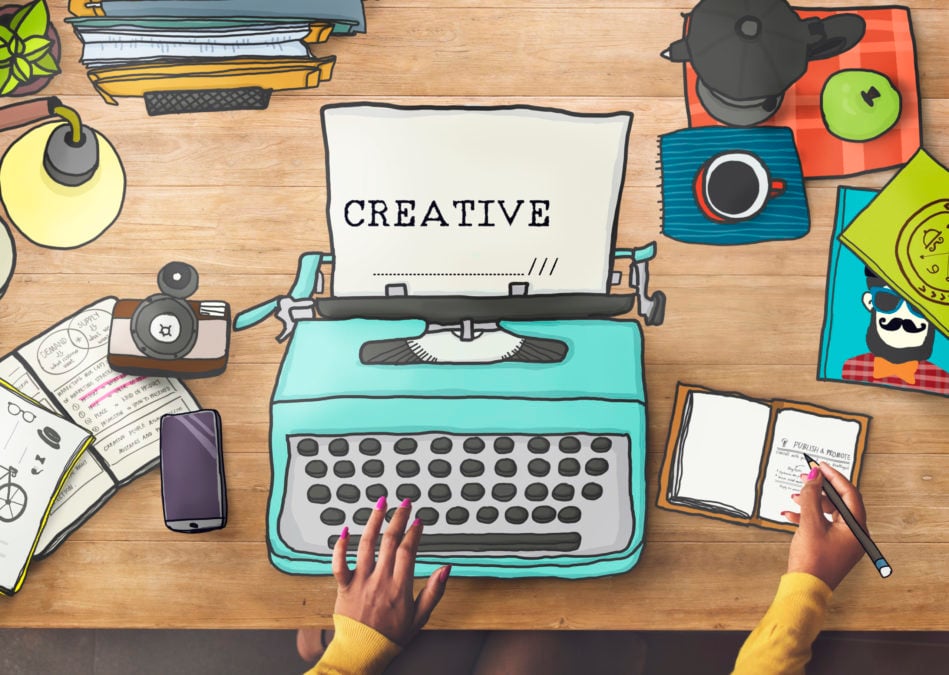
Typography is one of the most powerful yet often overlooked elements of web design. The fonts you choose for your WordPress website communicate tone, establish brand identity, and directly impact readability and user experience. Among the vast universe of typefaces, writing fonts, those that emulate handwritten or hand-drawn letterforms, hold a special place. They add warmth, personality, and a human touch that mechanical typefaces cannot replicate.
Whether you are designing a WordPress theme, building a brand identity, crafting marketing materials, or simply looking to enhance your website’s visual appeal, understanding the different types of writing fonts helps you make informed typographic choices. This comprehensive guide explores the major categories of writing fonts, their characteristics, practical applications, and best practices for using them effectively on WordPress websites.
Understanding Writing Fonts
Writing fonts are typefaces designed to mimic the appearance of text written by hand using instruments like pens, pencils, brushes, markers, or chalk. Unlike geometric or mechanical typefaces that are built from precise mathematical shapes, writing fonts incorporate the natural variations, imperfections, and character that come from human handwriting.
These fonts vary enormously in style, legibility, and formality. Some are clean and highly readable, suitable for body text in casual contexts. Others are decorative and expressive, best reserved for headlines, logos, and accent text. The key characteristics that differentiate writing fonts include letter connectivity (whether characters are joined or separate), stroke weight variation, slant, texture, and the degree of regularity versus organic variation.
For WordPress site owners and designers, writing fonts serve multiple purposes. They can differentiate a brand in a market dominated by standard sans-serif typefaces. They can add emotional warmth to personal blogs, wedding sites, and creative portfolios. And when used judiciously, they can create visual hierarchy and draw attention to key elements on a page. Choosing the right font is just as important as choosing the right WordPress theme for your site’s overall design.
Types of Writing Fonts
1. Handwritten Sans Serif Fonts
Handwritten sans serif fonts, sometimes called block letter fonts, mimic the look of naturally printed text where each letter is drawn separately without connecting strokes. They share the clean, unadorned quality of traditional sans-serif typefaces but with the organic irregularities that come from hand-drawn letterforms.
These fonts offer the best balance between handwritten personality and practical readability. The lack of connecting strokes makes them easier to read at smaller sizes and in longer passages of text compared to cursive alternatives. You will find examples that range from neat and tidy to deliberately messy and informal.
When to use them: Handwritten sans serif fonts work well for casual headings, product descriptions with a personal touch, blog post titles, social media graphics, and any context where you want warmth without sacrificing legibility. On WordPress websites, they pair effectively with clean, modern themes to create an approachable feel. They are also commonly used in landing page designs where creating an immediate personal connection with the visitor matters.
2. Cursive and Script Fonts
Cursive fonts, also referred to as script fonts, feature connected or semi-connected letterforms that flow together in a continuous stroke. They emulate the look of flowing handwriting or formal penmanship and range from elegant calligraphic styles to casual everyday cursive.
The visual appeal of cursive fonts comes from their fluidity and rhythm. The connected letters create a sense of movement across the page that draws the eye along the text. However, this same connectivity can reduce readability, especially at small sizes or in long passages. Cursive fonts demand more cognitive effort from readers, making them best suited for short text elements rather than body copy.
When to use them: Cursive fonts excel in headings, pull quotes, logo designs, invitations, and accent text where visual impact matters more than reading speed. For WordPress sites, they are particularly effective on wedding and event sites, artisan and handmade product stores, personal blogs, and portfolio sites where personality and elegance are priorities. Just ensure sufficient font size and contrast for readability on all devices.
3. Signature Fonts
Signature fonts replicate the look of personal signatures, with their distinctive flowing strokes, natural variations, and often dramatic flourishes. They carry strong associations with authenticity, personal endorsement, and individual identity.
Modern signature fonts range from sleek, professional-looking autographs to loose, artistic scrawls. They can be upright or slanted, thick or thin, clean or textured, depending on the writing instrument they emulate. The best signature fonts maintain legibility while preserving the organic quality that makes them feel genuinely personal.
When to use them: Signature fonts are ideal for personal brand logos, blog headers, author attribution on articles, testimonial sections, and anywhere you want to convey a sense of personal touch and authenticity. For WordPress theme designers, including a signature font option for site titles and author bylines adds a premium, personalized feel that clients value. When building a membership or community website, signature fonts can add a warm, personal welcome that sets the right tone.
4. Brush Fonts
Brush fonts are created using brushes, whether physical ink brushes or digital brush tools. They are characterized by variable stroke widths, textured edges, and an energetic, artistic quality that conveys movement and creativity. The visible brush texture in high-quality brush fonts adds depth and dimensionality that other font categories lack.
Brush fonts span a wide range of styles. Bold, thick brush fonts command attention and project confidence. Delicate, thin brush scripts feel elegant and refined. Dry brush fonts, which show the texture of paint running thin across the page, add a raw, authentic quality. SVG brush fonts preserve the actual pixel texture of the brush strokes rather than converting them to smooth vectors, creating the most realistic handmade appearance.
When to use them: Brush fonts are powerful for headlines, banner text, call-to-action elements, product packaging design, and any application where you want to convey energy, creativity, or artisanal quality. For WordPress-based online stores selling handmade or artisan products, brush fonts in key headings reinforce the brand narrative of craftsmanship and authenticity.
5. Chalk Fonts
Chalk fonts replicate the grainy, textured appearance of chalk on a blackboard. They carry strong associations with education, nostalgia, casual dining, and handcrafted authenticity. The characteristic rough edges and powdery texture give these fonts a tactile quality that feels grounded and approachable.
Chalk fonts vary from thin, delicate lettering to bold, chunky characters. Some maintain clean letter shapes with chalk texture applied as an overlay, while others incorporate the natural imprecision of actual chalk writing, with uneven baselines and varying stroke weights.
When to use them: Chalk fonts are popular for restaurant and cafe websites, educational platforms, event promotions, greeting card designs, and retro-themed branding. For WordPress sites in the food and beverage or education sectors, chalk fonts in menu sections, course titles, or promotional banners create an inviting, informal atmosphere that resonates with the audience.
6. Monoline Fonts
Monoline fonts maintain a consistent stroke width throughout every letter, creating a clean, uniform appearance. Unlike brush fonts where stroke width varies with pressure, monoline fonts look as though they were drawn with a felt-tip pen or technical pen that deposits ink at a constant rate.
This uniformity gives monoline fonts a distinctive character that balances handwritten warmth with geometric precision. They can be cursive or printed, and they often carry a vintage or retro aesthetic that evokes mid-century design. The consistent stroke weight makes them inherently more readable than highly variable brush or calligraphic fonts.
When to use them: Monoline fonts are excellent for brand logos, poster designs, social media graphics, packaging, and website headings where a vintage or craft aesthetic is desired. For marketing materials on WordPress sites, monoline fonts provide handwritten personality with enough consistency to maintain professionalism.
7. Serif Handwriting Fonts
Serif handwriting fonts combine the hand-drawn quality of writing fonts with the small decorative strokes (serifs) that characterize formal typography. These serifs can range from subtle, barely noticeable marks to prominent, decorative elements that give the font a distinctly traditional or literary appearance.
Common serif fonts like Times New Roman, Garamond, and Georgia are not handwriting fonts, but there is a growing category of typefaces that merge serif characteristics with handwritten personality. These fonts feel simultaneously classic and personal, making them suitable for contexts that require both formality and warmth.
When to use them: Serif handwriting fonts work well for book covers, editorial design, literary blogs, and formal invitations that benefit from a personal touch. WordPress sites focused on writing, publishing, or literary content can use these fonts to establish a tone that is both authoritative and intimate.
8. Gothic and Blackletter Fonts
Gothic or blackletter fonts trace their origins to medieval manuscript calligraphy. Characterized by dramatic thick-and-thin strokes, angular letterforms, and ornate details, these fonts carry powerful associations with history, tradition, and gravitas. Despite their ancient origins, blackletter fonts have experienced a modern revival in branding, fashion, and music industries.
Modern interpretations range from faithful reproductions of historical scripts to contemporary takes that blend blackletter structure with clean, minimalist sensibilities. The dramatic visual presence of these fonts makes them effective as display type but challenging for extended reading.
When to use them: Gothic fonts are ideal for brand identities seeking a bold, distinctive character, especially in craft brewing, tattoo studios, music, fashion, and heritage brands. For WordPress sites in these niches, a blackletter font in the site logo or section headers creates immediate visual impact and establishes a strong identity.
9. Creative and Decorative Lettering
Creative lettering goes beyond standard typography by incorporating illustrations, textures, dimensional effects, and mixed media elements into the letterforms themselves. These are not fonts in the traditional sense but rather custom letter art that treats each word as a visual composition.
Display fonts in this category are designed for large-format use in headings, logos, and promotional materials. They sacrifice readability at small sizes for maximum visual impact at large sizes. Some incorporate floral elements, geometric patterns, three-dimensional shadows, or integrated illustrations that make each word a work of art.
When to use them: Creative lettering is best reserved for hero sections, promotional banners, featured post titles, and brand elements where visual impact is the primary goal. On WordPress sites, these fonts should be used sparingly as accent elements. Overuse can make a site feel cluttered and reduce the impact of each instance. Pair decorative display type with clean, readable body fonts for effective visual hierarchy across your WordPress site.
What is Calligraphy and How Does It Relate?
Calligraphy, meaning “beautiful writing,” is the art of creating visually expressive letterforms by hand. While typography and font design involve creating repeatable character sets, calligraphy is a one-of-a-kind practice where each stroke is a deliberate artistic gesture. The relationship between calligraphy and digital writing fonts is one of inspiration: many script and brush fonts are designed by calligraphers who digitize their handwriting into usable typefaces.
Understanding calligraphy principles helps you choose and use writing fonts more effectively. Concepts like stroke contrast, letterform proportion, spacing rhythm, and baseline variation all originate in calligraphic practice. When you understand why certain fonts look the way they do, you make better typographic decisions for your WordPress designs.
Best Practices for Using Writing Fonts on WordPress
- Limit writing fonts to headings and accents: Use readable sans-serif or serif fonts for body text and reserve writing fonts for headlines, pull quotes, and featured elements.
- Ensure adequate size and contrast: Writing fonts often require larger sizes than standard fonts to maintain legibility. Test on mobile devices where screen space is limited.
- Optimize font loading: Custom fonts can impact page load speed. Use font-display: swap, load only the weights you need, and consider hosting fonts locally rather than loading from external services. WordPress font management plugins can help with this optimization.
- Pair fonts intentionally: Choose a writing font that complements your body text font. Contrast in style (handwritten heading with clean body text) creates visual interest, while consistency in weight and proportion maintains cohesion.
- Test across browsers and devices: Writing fonts can render differently across platforms. What looks beautiful on a Retina display may appear blurry or distorted on older screens.
For WordPress site owners looking to manage fonts effectively, specialized font manager plugins provide the tools to upload, organize, and deploy custom fonts without touching code.
Summary
Writing fonts are a powerful design tool that can transform the personality and emotional impact of your WordPress website. From clean handwritten sans serifs and flowing cursive scripts to textured brush fonts and dramatic blackletter styles, each category serves different design contexts and communicates different brand attributes. The key to using writing fonts effectively is matching the font’s personality to your brand’s identity, using them judiciously for maximum impact, and always prioritizing readability and performance.
By understanding the characteristics, strengths, and appropriate applications of each writing font type, you equip yourself to make typography choices that elevate your WordPress site’s design, strengthen your brand identity, and create more engaging experiences for your visitors.
Best Professional Fonts Collection
Related reading