
3 min read
Latest Web Design Trends for 2026


Web designers face a real challenge when it comes to following the latest web design trends. While following what everybody else is doing seems like the norm for success, being innovative and creative still matters a lot. No matter how much you want to critique trends and avoid them, you can’t do the complete opposite of what others are doing.
Web design has evolved dramatically over the past few years, giving businesses the opportunity to improve their services and interaction with their target audience better than ever before.
Here are the latest web design trends that are here to stay in 2026 and promise to make your website look great and increase conversion rate:
1. Geometric shapes
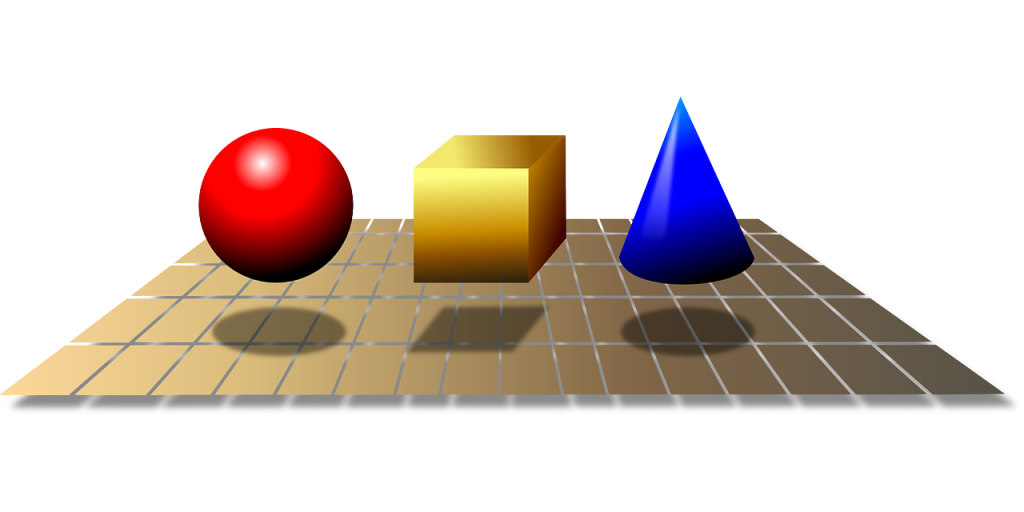
Using geometric shapes in web design isn’t a new trend. However, modern effects and technological advancements have given designers the opportunity to create in-depth 3D elements that appear almost real to visitors. These 3-dimensional elements bridge the real and the digital world with a sense of realism. Designers are now using elements with moving shapes that visitors can almost reach out and touch.
2. Eye-catching color palettes
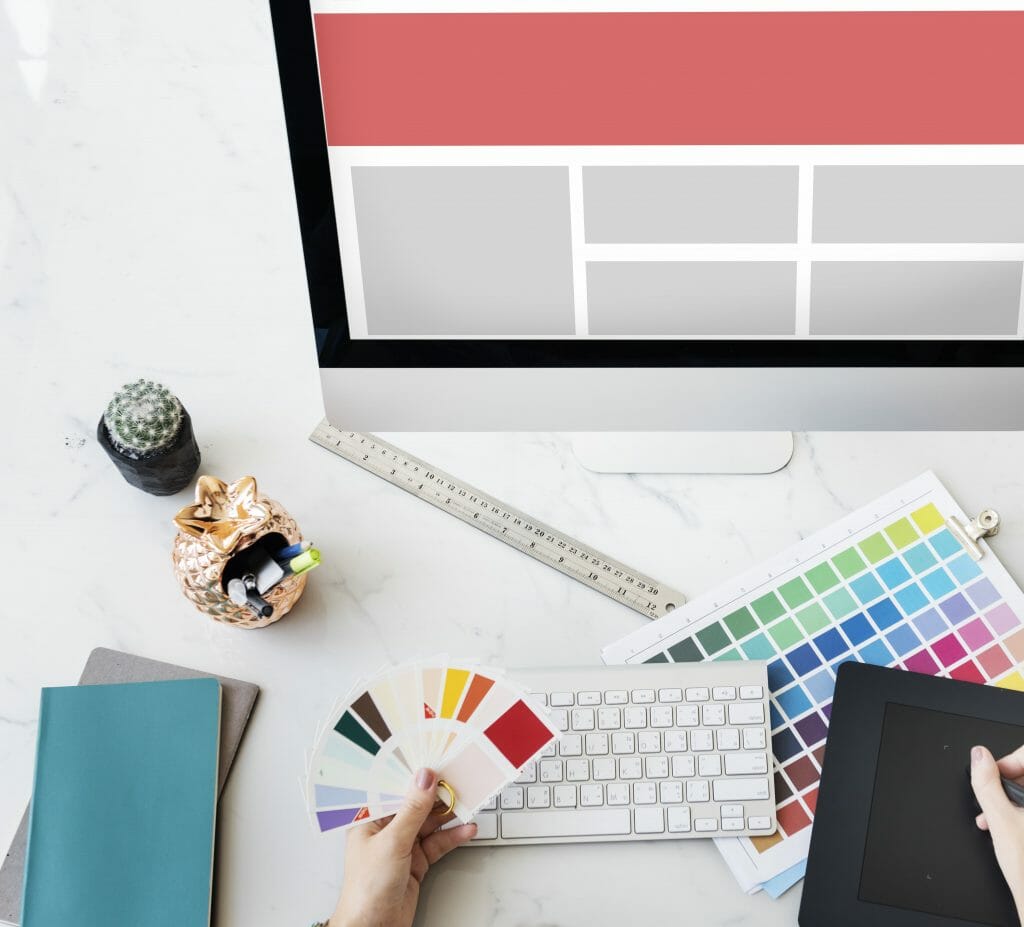
Using eye-catching color palettes is one of the simplest yet most popular trends among designers. It’s growing in popularity across company sites because it can improve readability and the overall appeal of the website.
This trend is strongly tied to the psychology of colors used in marketing. Certain colors trigger certain emotions in the audience, which can heavily influence purchasing decisions and time spent on the website. Color is a powerful tool for signaling attention and drawing eyes to a specific part of the content. For example, red can evoke a sense of urgency and is commonly used for sale signs. Green represents nature and tends to trigger a calm mood in the audience.
3. Telling stories through websites
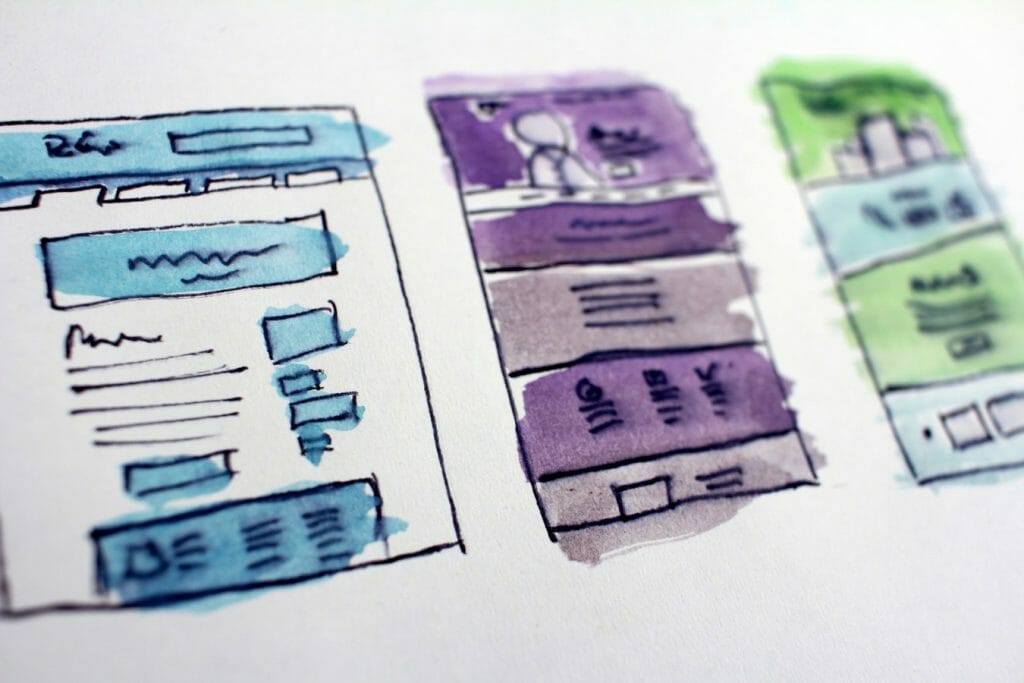
Storytelling is one of the most powerful marketing tools available to businesses. Web design has evolved to blend design and storytelling into one seamless experience. Narrative elements are used in web design to engage and connect with consumers, convincing more people to buy products or services. This trend involves second-person voice, animations, and captivating visuals used to tell stories to the audience.
4. Conversational interfaces
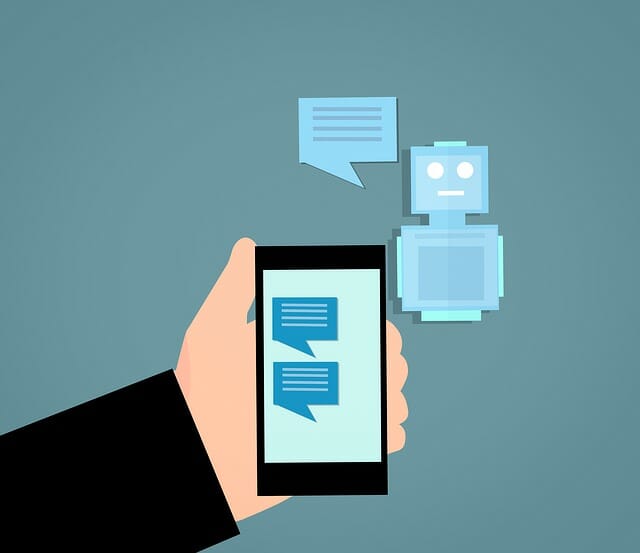
The rise of artificial intelligence is the main driver behind the growth of conversational interfaces. These interfaces aim to facilitate human-computer communication to improve the user experience. Conversational interfaces include chatbots and voice assistants that can answer users’ basic questions and guide them through your site.
Chatbots and voice assistants are a great tool for engaging first-time visitors who aren’t sure where to find certain content. They make your website much easier to navigate and provide a great user experience from the very first interaction.
5. Interactive elements integrated into the web design
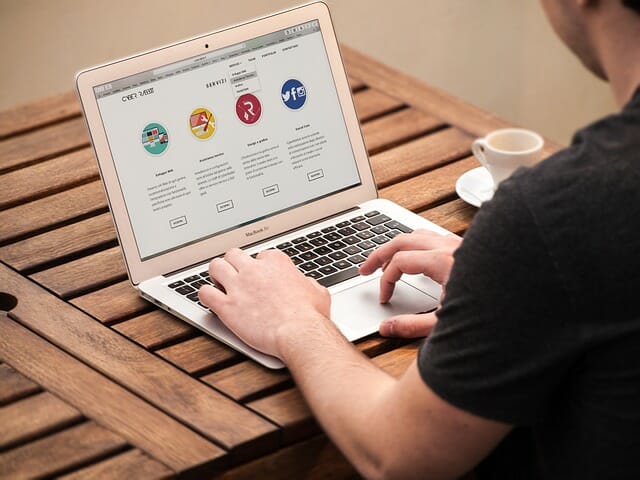
Interactive elements can boost conversions by engaging the audience and taking user experience to a whole new level. The main idea is to transform passive visitors into active ones. Interactive elements encourage users to take certain actions, like answering questions, voting, skipping an ad, or commenting, to fully experience the interface.
A web design with interactive elements encourages visitors to spend more time on your site. Since personalized user experience is a top trend in marketing, an interactive web design that engages your audience also improves the personalization of their experience.
6. More white space used
White space in web design refers to any part of the interface that has no text or images. Designers use white space to create contrast between the overall interface and specific pieces of content they want visitors to notice. A palette of bright colors can make a website look engaging, but too many colors can distract visitors from noticing the most important elements, like the logo.
In web design, white space doesn’t mean the actual white color. It is a concept to express emptiness. No matter what colors you choose, having parts of the interface with no content improves the user experience by making it easier for visitors to navigate and read.
An effective and interactive web design has a huge impact on how your audience perceives and interacts with your business. A design that offers an amazing user interface leads to better conversion rates, increased sales, and business growth.
Related reading