
6 min read
Why Most Brand Communities Have No Growth Loop At All

Most brand communities have a support team writing the same answer over and over, in private, to customers who will never find each other. Every answer is correct. Every answer helps exactly one person. And every answer disappears the moment the ticket closes, so next week someone asks the identical question and the whole cycle starts over from zero.
That’s a funnel wearing a community’s clothes. If you’ve read the piece on what actually makes a brand community earn its keep, you know the value moment is a real problem solved without a ticket. This is the next question: does that solved problem ever reach the next customer with the same problem, or does it die the moment the conversation ends?
In this pieceThe loop a support inbox structurally can’t have
What it actually takes to close the loop
What a real public reputation actually looks like
Why this is cheaper than the alternative
What breaks this loop specifically
The pushback: “our answers are proprietary”
Why this isn’t the same as a static FAQ page
Turning it into something you actually check
The loop a support inbox structurally can’t have
A ticketing system is architecturally incapable of closing this loop, and it’s worth being precise about why. Every answer lives inside a private thread, one customer, one agent, sealed. Google can’t index it. The next customer with the identical problem can’t find it. The only way that value ever reaches anyone else is if a human remembers the answer existed and manually writes it into a help doc later, which mostly doesn’t happen, because everyone’s busy answering the next ticket.
A community built for this same question, answered once, in public, breaks that seal. The same effort your team was already spending gets spent once and pays out every time someone searches for that exact problem afterward, not just once.
What it actually takes to close the loop
Three things, and missing any one of them breaks it. The answer has to be genuinely public, reachable by someone with no account, not just visible to logged-in members. It has to be specific enough to rank, a real question in the customer’s own words, not a generic FAQ paraphrase nobody would actually type into a search bar. And it has to be current, an answer that’s two product versions out of date does active harm, since it’s now actively misleading the next stranger who lands on it.
Get all three right and the math changes completely. Your support team stops re-answering the same five questions every single week, because the fourth and fifth person with that question find the first person’s answer before they ever open a ticket.
What a real public reputation actually looks like
This is easier to see with a real example than a description. Customers who answer well and often build a visible, public track record, and that track record is itself part of the loop, because it’s what makes a stranger trust an answer from someone who isn’t your company.
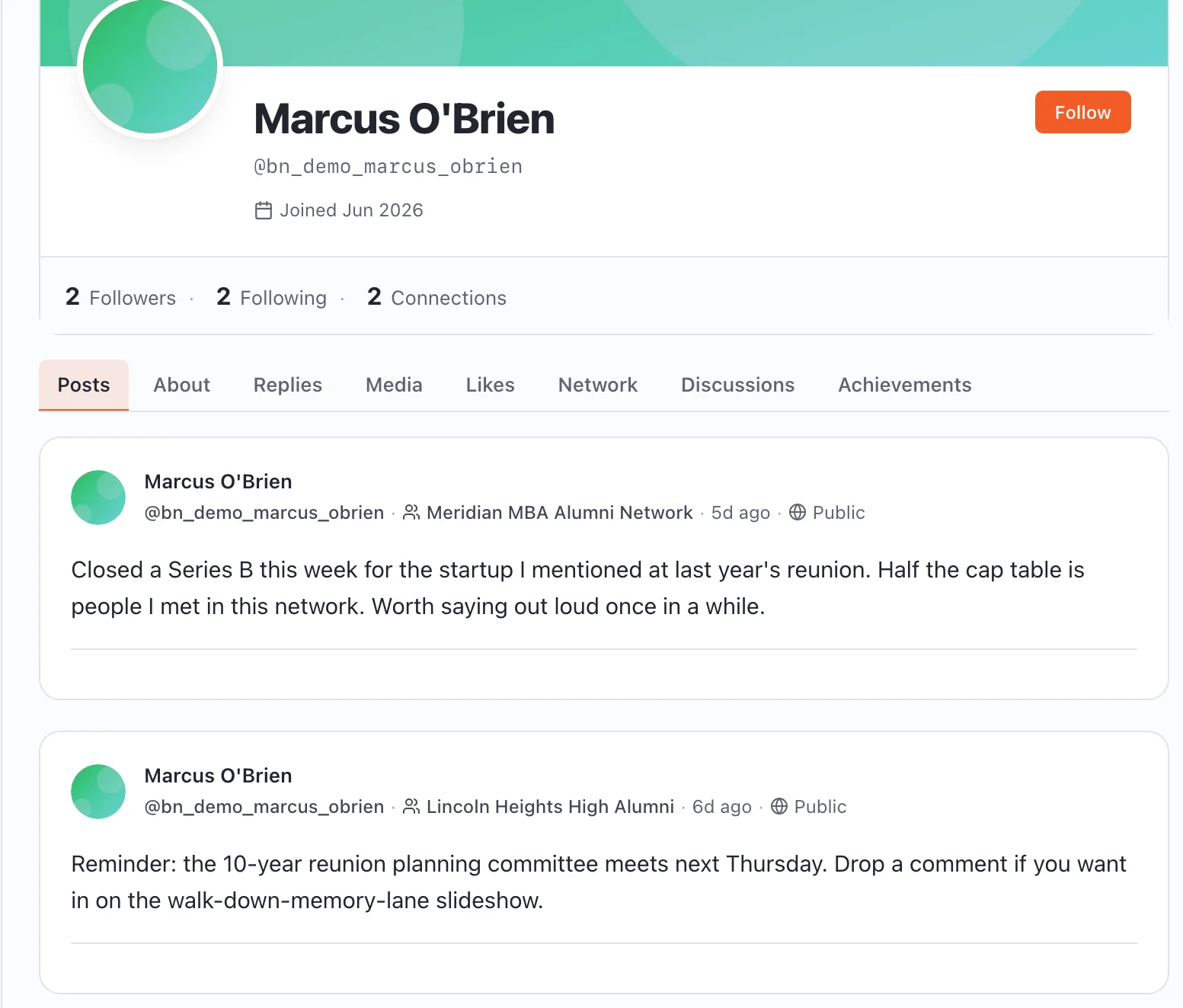
That’s a real public profile, not a mockup, reachable by anyone without an account. A stranger landing here from a search result doesn’t just see one answer, they see a real person with a real history of helping, which does more for trust than a company logo ever will. That’s the compounding part most brand communities miss entirely, the reputation itself becomes part of what pulls the next customer in.
Why this is cheaper than the alternative
Compare the two paths honestly. Path one: pay for search ads targeting the exact question your customers keep asking, every month, forever, because the ad spend resets to zero the second you stop paying. Path two: let a real public answer rank organically once, and it keeps paying out for as long as the answer stays accurate, at zero marginal cost per new person who finds it.
Most companies are running path one by default and don’t realize path two was available the whole time, sitting inside a support process they’d already built, just sealed behind a login wall that didn’t need to be there.
What breaks this loop specifically
The first failure is defaulting every space to private. Private feels safer and it kills the entire mechanism, since nothing inside a private space can ever be found by someone who isn’t already a member. Most brand communities don’t need to be private at all, and default to it anyway out of habit borrowed from internal Slack culture.
The second is answering well but never revisiting. An answer that was correct eight months ago and wrong today is actively worse than no answer, because it’s now actively costing you credibility with the exact stranger you were trying to win over.
The third is treating the community as a one-way broadcast channel and routing all the real troubleshooting into private DMs or tickets anyway, out of habit. If the good answers keep happening somewhere private, moving the shell of the community to a public space changes nothing about the loop.
The pushback: “our answers are proprietary”
Sometimes genuinely true, security-sensitive configuration details, account-specific troubleshooting, anything that reveals something about your systems you don’t want public. That’s a real, narrow category, worth protecting, and it’s a much smaller list than the instinct to keep everything private suggests.
Most support answers aren’t actually proprietary. “How do I reset this setting” and “why is this error happening” are questions a competitor already knows the answer to, and keeping them private protects nothing except your own support team’s time from being saved by the previous answer.
Why this isn’t the same as a static FAQ page
A fair objection: doesn’t a well-maintained FAQ page do the same thing? Public, indexable, no login wall. Mostly, but it misses the part that actually compounds. An FAQ page is written once by your team, in your team’s language, guessing at how customers will phrase the problem. A community answer is written in the customer’s actual words, the exact phrasing someone typed into a search bar when they were stuck, which is precisely what search engines match against.
The other gap is volume. A team writing FAQ entries can maintain maybe a few dozen before it becomes a full-time job nobody has budget for. A community answering its own questions publicly scales with how many customers you have, not with how many hours your documentation team can spare this quarter.
Turning it into something you actually check
Weekly, alongside the north star check from the companion piece: how many resolved questions this week are sitting in a public, indexable space versus a closed ticket. That ratio is your loop health number. If it’s trending toward zero, you’re rebuilding the same answers by hand every week forever. If it’s trending up, next month’s support load should be measurably lighter than this month’s, for reasons that have nothing to do with hiring.
BuddyNext‘s Spaces can be public by default, with native moderation handling the narrow cases that actually need privacy, instead of defaulting everything closed out of habit.
The support ticket that gets answered once and helps one person is a cost. The same answer, made public, searchable, and kept current, is the only kind of support that gets cheaper the longer you run it.
Related reading