
5 min read
8 SEO Smart Goals To Aim For In 2026

Search engine optimization continues to evolve as the years go by. Site owners focus on SEO to rank on Google, but ranking is just one metric. SEO is really about bringing more business to your site. If you’re investing in SEO for your startup or established site, you need a larger goal in mind. A critical first step is to set SEO smart goals that speak to what you actually want to achieve.
In 2026, smart SEO goals also need to account for AI-driven search features like Google’s AI Overviews, which can reduce click-through traffic even when you rank well. That makes it more important than ever to set goals around the full business impact of SEO, not just rankings alone.
SEO Smart Goals for 2026
Below are eight SEO smart goals you can work toward when planning your strategy.
1. Increase Traffic
Increasing organic traffic is one of the most common reasons businesses invest in SEO. A higher ranking brings new visitors without ongoing ad spend. Many site owners chase high-volume keywords, but startups with low domain authority have difficulty ranking for those terms early on.
In 2026, traffic goals should also account for zero-click searches, where Google’s AI Overviews answer queries directly on the results page. Focus on keywords where users still click through for more detail, and use tools like RankCaddy to track keyword rankings and identify opportunities. Optimizing for search intent, writing content that directly answers what searchers are looking for, remains the most reliable way to build sustainable traffic.
2. Improve Your Branding
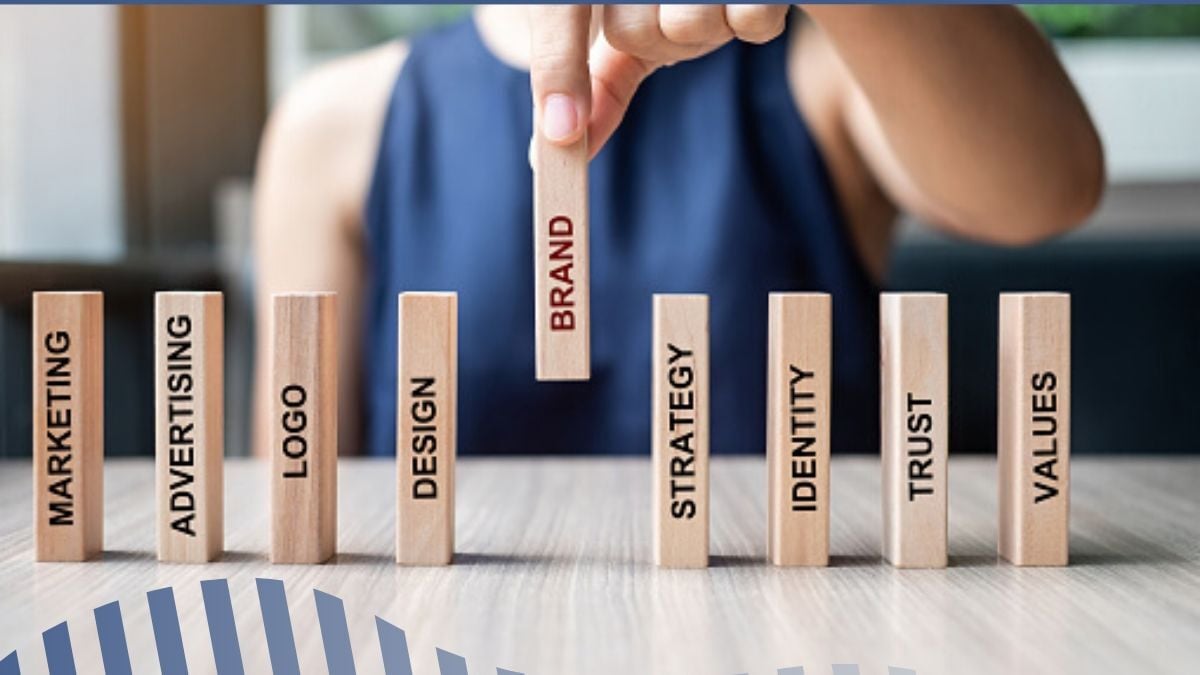
If your brand is well-known, people search for it directly. If you’re newer, SEO can help build that recognition. You can target branded keywords early on to support your advertising and sales strategy. Make sure your site appears at the top of searches directly related to your brand name.
In 2026, Google’s E-E-A-T signals (Experience, Expertise, Authoritativeness, Trustworthiness) also matter more for branding. Publishing content that reflects real expertise and experience helps your brand stand out in search results and builds trust with both readers and search engines.
3. Optimize Your Internal Linking Structure
Internal links connect your web pages and help both visitors and search crawlers understand how your site is organized. A well-planned internal linking structure keeps visitors on your site longer and passes authority between pages.
Your internal link structure should follow the logic of your sitemap. Links should be relevant and contextual, they should make sense for the reader, not just exist for SEO. The more high-quality internal links you build to important pages, the stronger those pages appear to search engines.
4. Increase Conversions
A conversion is any action a visitor takes that moves them closer to a purchase or sign-up. Tracking conversion rates tells you how well your content and landing pages turn visitors into customers. It also helps your team identify gaps and helps search engines understand what pages are meeting user needs.
Good conversion rates come from matching your content to the right stage of the buyer journey. A page that ranks well but converts poorly usually has a search intent mismatch, the visitor found the page but didn’t find what they needed.
5. Increase Visitor Time on Page
Getting visitors to your page is only half the job, keeping them there matters too. If visitors stay on your pages for a significant amount of time, it signals to search engines that your content is worth reading. The most reliable way to improve this metric is to write longer, more detailed, and genuinely useful content.
A page that can be read in a few seconds won’t hold attention. Add supporting images, examples, and practical takeaways to give readers a reason to stay and scroll.
6. Decrease Your Bounce Rate

Bounce rate measures how many visitors land on a page and immediately leave without further interaction. A high bounce rate signals to search engines that your content isn’t delivering what visitors expected, which can push your rankings down.
Note: if you’ve moved to GA4, bounce rate is now calculated differently from Universal Analytics. GA4 measures an “engagement rate”, sessions with meaningful interaction, which is essentially the inverse of the old bounce rate. Make sure you’re reading the right metric in your analytics setup.
When you improve the quality and relevance of your content, you improve visitor time on page and lower your bounce rate at the same time, two SEO goals addressed with one effort.
7. Maximize Page Speed
A slow-loading page loses visitors before they even see your content. If a page doesn’t load quickly, most people won’t wait around to find out if the content is good. Page speed is also a confirmed Google ranking factor through Core Web Vitals.
When you notice slow loading times, start with images. Large image files and outdated formats (like PNG for photos) are common culprits. Switching to WebP format, enabling lazy loading, and using a caching plugin can make a significant difference. Use Google PageSpeed Insights or similar tools to identify the biggest issues on each page.
8. Improve Your Backlink Strategy
Backlinks from other sites tell search engines that your content is authoritative. Strong backlinks boost your domain rating and improve your ability to rank for competitive keywords. It’s one of the most powerful long-term SEO investments you can make.
The most sustainable backlink strategy is creating content that other sites naturally want to cite, original data, in-depth guides, and tools. You can also pursue guest posts, digital PR, and link reclamation (finding mentions of your brand that don’t link back and requesting they add one).
Summary
You can’t build a solid digital marketing strategy without SEO. But SEO without goals is just activity. These eight SEO smart goals give you clear targets to work toward: more traffic, stronger branding, better internal linking, higher conversions, longer time on page, lower bounce rate, faster pages, and more backlinks. Each one compounds on the others over time.
Start by auditing where you currently stand on each of these metrics, then set specific, measurable targets for the next 6 to 12 months. Your goals let you check your reality against your intentions, and help you course-correct before you’ve drifted too far off track.
Interesting Reads:
Make WordPress Website SEO Friendly
Link Building Strategies to Grow Website Authority and Improve SEO
Related reading