
7 min read
Simple Ways To Build A Fitness Website

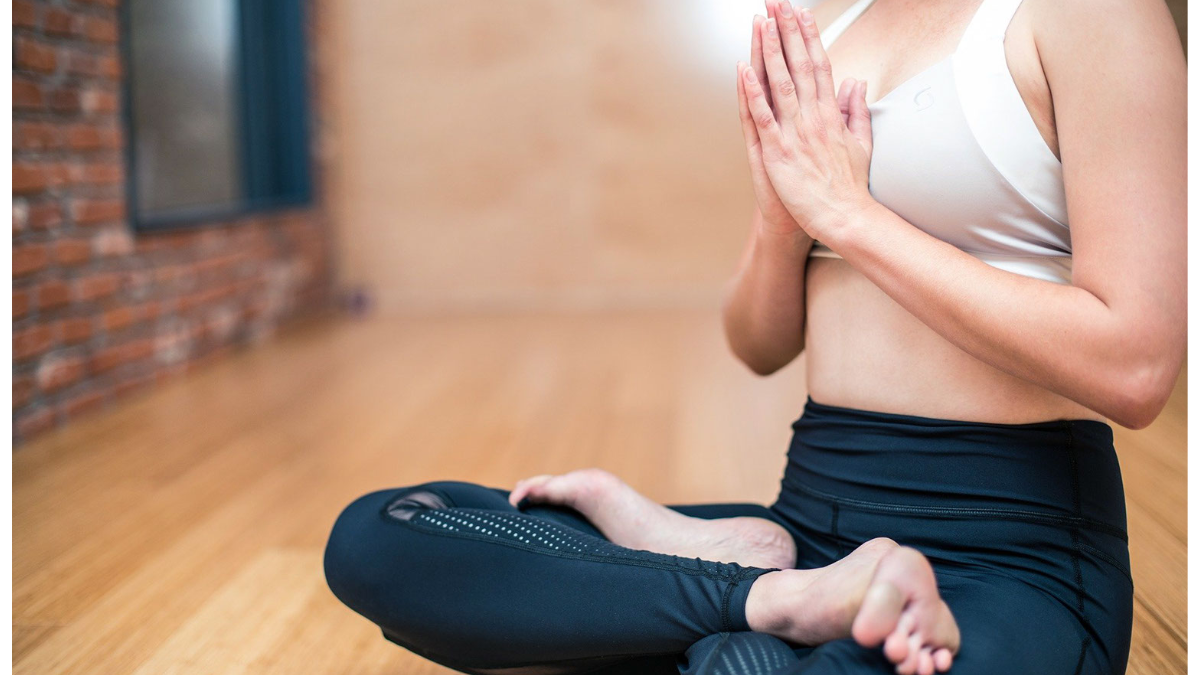
The fitness industry has fully embraced the digital world, and having a professional online presence is no longer optional for personal trainers, gym owners, and wellness coaches. Whether you run a boutique studio, offer one-on-one coaching, or manage group fitness classes, knowing how to build a fitness website is the foundation for attracting new clients and growing your business. A well-designed fitness website serves as your 24/7 salesperson, showcasing your expertise, services, and client success stories to anyone searching online.
WordPress remains the best platform for building a fitness website because of its flexibility, cost-effectiveness, and enormous ecosystem of themes and plugins. Unlike proprietary website builders that lock you into monthly fees with limited customization, WordPress gives you full ownership and control over every aspect of your site. In this guide, we will walk through the essential steps to build a fitness website that converts visitors into paying clients.
Step 1: Choose Your Domain Name
Your domain name is the first thing potential clients will see, and it needs to be memorable, professional, and easy to spell. Here are the rules to follow when selecting a domain for your fitness website:
- Stick with .com: It is the most recognized and trusted domain extension. If your exact name is taken, consider variations like adding your city or the word “fitness” or “training” to the end.
- Avoid hyphens and numbers: These make your domain harder to communicate verbally and increase the chance of typos. A domain like FitWithSarah.com is far better than Fit-With-Sarah-2.com.
- Use proper abbreviations: Common fitness abbreviations like PT for personal training work well, but avoid inventing words or using obscure acronyms that confuse people.
- Keep it short: Aim for two to four words maximum. The shorter and simpler the domain, the easier it is for clients to remember and type correctly.
- Research before committing: Search for your preferred domain on multiple registrars, check social media availability for the same name, and make sure no competing business is already using something similar.
Step 2: Select Reliable Web Hosting
Web hosting is where your fitness website lives on the internet. Choosing the right hosting provider is critical because it directly affects your site speed, uptime, and security. Here is what to look for in a hosting plan:
- Free domain included: Many hosting providers bundle a free domain with annual plans, which saves you money upfront.
- Professional email addresses: Your hosting should allow you to create branded email addresses like hello@yourfitnessbrand.com. Using a Gmail address looks unprofessional and erodes trust.
- Unlimited bandwidth: As your fitness website grows and you start publishing workout videos, blog content, and client testimonials, your traffic will increase. Unlimited bandwidth ensures your site can handle the load without slowing down.
- One-click WordPress installation: Most modern hosts offer this feature, which makes getting started incredibly fast.
- SSL certificate: An SSL certificate encrypts data between your site and visitors, which is essential for security and also a ranking factor for Google.
Avoid getting caught up in upsells during checkout. Start with a basic plan and upgrade only when your traffic demands it.
Step 3: Install WordPress as Your CMS
WordPress.org is the self-hosted version you want. It gives you complete control over your fitness website and access to thousands of plugins and themes. Do not confuse it with WordPress.com, which is a limited blogging platform with restrictions on customization and monetization.
Most hosting providers have made WordPress installation a one-click process. Once installed, you will have access to the WordPress dashboard where you can manage every aspect of your site, from pages and posts to themes, plugins, and settings.
Step 4: Pick the Right Fitness Theme
Your WordPress theme determines the visual design and layout of your fitness website. While there are thousands of free themes available, investing in a premium theme offers significant advantages:
- Deep customization options: Premium themes let you adjust colors, fonts, layouts, and page structures without touching code. You can match your theme precisely to your brand identity.
- Dedicated support: When you encounter issues or need help with customization, premium theme developers provide direct support through tickets, forums, or live chat.
- Regular updates: Premium themes receive frequent updates for security, compatibility, and new features, which keeps your site running smoothly.
- Performance optimization: Quality themes are built with clean code that loads faster and ranks better in search engines.
For a fitness community website, consider a theme that supports member profiles, group interactions, and social features. A theme like BuddyX can help you build an engaged fitness community where members track progress, share achievements, and support each other.
Step 5: Create a Professional Logo
Your logo is the visual cornerstone of your fitness brand. It appears on your website header, social media profiles, business cards, email signatures, and merchandise. Before designing your logo, spend time reviewing other fitness websites and noting what resonates with you.
When working with a designer, provide clear direction: share examples of logos you admire, specify your brand colors, describe your target audience, and explain the feeling you want your brand to evoke. Save your final logo as a PNG file with a transparent background so it integrates seamlessly with any page design. Understanding the importance of a well-designed logo will help you invest appropriately in this critical brand asset.
Step 6: Use Authentic Visual Content
Visual content is the lifeblood of a fitness website. Visitors need to see real people getting real results. Here is how to approach visual content the right way:
- Hire a local photographer: Professional workout photos of you training actual clients are infinitely more powerful than stock photography. They showcase your personality, your facility, and the energy of your training sessions.
- Create short video content: Add a brief introduction video to your homepage that lets visitors see your personality and training style. Video builds trust faster than any other medium.
- Optimize for performance: Compress images before uploading to avoid slowing down your site. Use lazy loading so images only load when visitors scroll to them.
- Show transformations: Before-and-after photos with client permission are among the most persuasive visual assets a fitness professional can display.
Step 7: Build Your Essential Pages
Every fitness website needs these core pages to convert visitors into clients:
- Homepage: Lead with a strong headline, your best client photo, and a clear call-to-action. Visitors should immediately understand what you offer and what to do next.
- About page: Focus on why you are the right trainer for your target audience. Discuss your specialization, your training philosophy, and the results you deliver. Include a personal video introduction if possible.
- Services page: Clearly list each service you offer, who it is for, what it costs, and what results clients can expect. Add testimonials specific to each service. End with a strong call-to-action that makes it easy to book a consultation or sign up.
- Contact page: Make it effortless for prospects to reach you via phone, email, or a contact form. Consider adding a live chat widget for immediate engagement.
- Blog: Regularly publishing fitness tips, workout guides, and nutrition advice establishes your expertise and drives organic search traffic to your site.
Step 8: Invest in Great Website Design
Your website design directly reflects your professionalism. A cluttered, outdated, or difficult-to-navigate site will drive potential clients away before they even read your content. Focus on clean layouts, consistent branding, fast load times, and mobile responsiveness. If design is not your strength, working with a professional web development team can ensure your fitness website looks as polished as your training programs.
Step 9: Add Key Plugins and Features
The true power of WordPress lies in its plugin ecosystem. Here are the essential plugin categories for a fitness website:
- Booking and scheduling: Let clients book sessions directly through your website with an integrated calendar.
- Payment processing: Accept payments for sessions, packages, and memberships securely through your site.
- Email marketing: Capture email addresses and nurture leads with automated email sequences. Learn more about growing your email marketing list effectively.
- Member areas: Create a members-only section where paying clients access exclusive workout programs, nutrition plans, and progress tracking tools.
- Social login: Allow visitors to register and log in using their existing social media accounts, reducing friction in the sign-up process.
- SEO optimization: Install an SEO plugin to optimize your pages and blog posts for search engines so potential clients in your area can find you.
Final Thoughts
Building a fitness website with WordPress is one of the highest-return investments you can make in your fitness business. It works around the clock to attract, educate, and convert potential clients while you focus on training. Start with the essentials, launch quickly, and refine based on how visitors interact with your site. Encourage your current clients to leave reviews and share their transformation stories on your platform. The combination of a professional website, authentic content, and consistent value will set you apart in the competitive fitness market and fuel sustainable growth for years to come.
Interesting Reads:
Grow Your Fitness Community Website Faster
How To Create a Best Fitness Community Website
Know Why An Online Community Impacts Your Customer Experience
Related reading