
12 min read
Custom Web Design As A Branding Tool

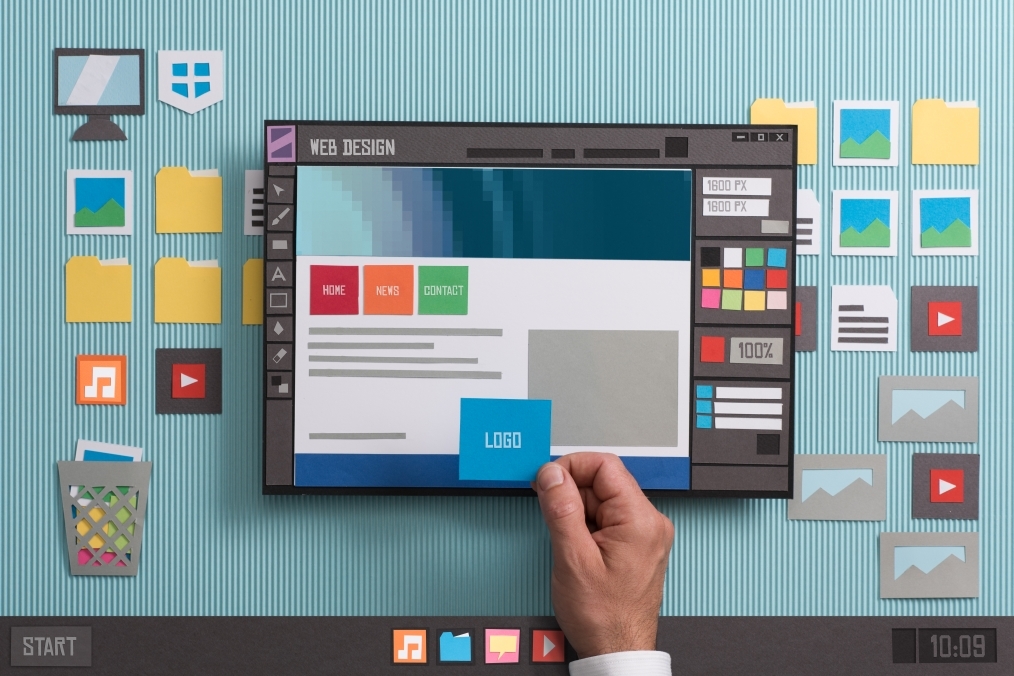
Your website is the most visible and persistent representation of your brand. It operates around the clock, serves as the first touchpoint for the majority of your potential customers, and communicates your professionalism, values, and credibility within seconds of a visitor arriving. In the WordPress ecosystem, where millions of sites compete for attention, custom web design has become an indispensable branding tool that separates thriving businesses from forgettable ones.
Custom web design goes far beyond choosing colors and fonts. It is the strategic process of crafting a digital experience that reflects your unique brand identity, resonates with your target audience, and drives measurable business outcomes. For WordPress site owners and developers, understanding how to leverage custom design as a branding tool is essential for building sites that not only look exceptional but also convert visitors into loyal customers.
This comprehensive guide explores why custom web design matters for branding, the specific advantages it offers over template-based approaches, how WordPress empowers custom design workflows, and the practical steps you need to take to build a website that functions as your most powerful branding asset.
Why Custom Web Design Is Critical for Brand Identity
First Impressions Are Formed in Milliseconds
Research consistently shows that visitors form judgments about a website within 50 milliseconds of arriving. That fraction of a second determines whether a visitor perceives your brand as trustworthy, professional, and worth exploring further, or as outdated, generic, and unreliable. A custom web design gives you complete control over that critical first impression. Every visual element, from the hero section layout to the typography choices to the micro-animations that greet returning visitors, is deliberately chosen to communicate your brand’s personality and values.
Template-based designs, by contrast, communicate sameness. When a visitor encounters a design they have seen on dozens of other sites, it subconsciously signals that this business has not invested in its own identity. Custom design signals the opposite: this is a brand that cares about quality, pays attention to details, and has invested in creating a unique experience for its audience.
Consistency Across Every Customer Touchpoint
A brand is not just a logo or a color palette; it is the total experience a customer has with your business across every touchpoint. Custom web design ensures that your website is fully consistent with your brand guidelines, matching the look and feel of your business cards, social media profiles, email templates, and physical marketing materials. This consistency builds recognition and trust over time. When a customer moves from your Instagram profile to your website to your email newsletter, the visual and experiential continuity reinforces your brand identity at every step.
WordPress makes this consistency achievable through its flexible theming system. Custom WordPress themes can be built to enforce brand guidelines at the code level, ensuring that every page, post, and custom post type on your site adheres to your brand standards. Theme customizer options, block patterns, and reusable block templates allow content creators to produce on-brand content without design skills, maintaining visual consistency even as the team scales.
Telling Your Brand Story Through Design
Every brand has a story: the problem it solves, the values it embodies, the journey that brought it to where it is today. Custom web design transforms that story from words on an About page into an immersive visual narrative that permeates the entire site. The choice of imagery, the flow of page layouts, the interactive elements that invite engagement, and the tone conveyed through typography and whitespace all work together to communicate your brand story without requiring visitors to read a single paragraph of text.
Consider the difference between a law firm that uses a generic corporate template and one with a custom design featuring thoughtful editorial typography, a muted color palette that conveys authority, and a carefully structured layout that guides visitors through their practice areas with clarity and confidence. Both sites might contain the same written content, but the custom-designed site communicates competence and trustworthiness far more effectively through its design alone.
Custom Design vs. Template-Based Design for WordPress
The Template Trap: Why Generic Designs Undermine Branding
The WordPress theme marketplace offers thousands of beautifully designed templates, many of which are multipurpose themes packed with dozens of demo layouts and customization options. These templates serve an important role in the ecosystem, enabling small businesses and individuals to launch professional-looking sites quickly and affordably. However, for brands that are serious about differentiation and long-term growth, templates present several branding limitations.
First, popular templates are used by thousands of other sites. No matter how much you customize the colors and fonts, the underlying layout structure, navigation patterns, and visual rhythm remain identical to other sites using the same theme. Visitors who have encountered the same template on a competitor’s site will subconsciously associate your brand with that competitor, diluting your unique identity.
Second, multipurpose templates are designed to accommodate every possible use case, which means they include far more code, styles, and JavaScript than any single site needs. This bloat impacts page load times, which affects both user experience and search engine rankings. A custom design includes only the code necessary for your specific requirements, resulting in a faster, more efficient site.
Third, templates constrain your design to their predefined structure. If your brand story calls for an unconventional layout, a unique interaction pattern, or a distinctive visual feature, a template may not support it without extensive modification that often costs more than building custom in the first place.
The Custom Design Advantage: Complete Brand Control
Custom web design starts with your brand rather than with a template. The design process begins with a deep understanding of your brand identity, target audience, business goals, and competitive landscape. The resulting design is purpose-built to serve your specific needs, with every element intentionally chosen to support your branding and conversion objectives.
With a custom WordPress theme, you get a site that loads faster because it contains no unnecessary code, looks unique because it was designed specifically for your brand, performs better in search because it is built with performance optimization as a design constraint, and scales gracefully because it is architected around your specific growth trajectory rather than a generic multipurpose framework.
How WordPress Empowers Custom Web Design for Branding
The Block Editor and Full Site Editing
WordPress has evolved dramatically as a design platform with the introduction of the block editor and Full Site Editing capabilities. These tools give designers and developers unprecedented control over every aspect of a site’s appearance, from global styles and template structures down to individual block-level customization. Custom block patterns and theme.json configuration files enable the creation of design systems that enforce brand consistency while giving content creators the flexibility to build rich, visually engaging pages.
For custom web design projects, the block editor serves as both a design tool and a content management system. Designers create custom block patterns that encapsulate on-brand design elements, such as testimonial layouts, feature comparison tables, or call-to-action sections. Content creators then assemble these patterns into pages without needing to make design decisions, ensuring that every page on the site maintains the brand’s visual standards.
Custom Post Types and Taxonomies for Brand-Specific Content
Every brand has unique content types that generic templates cannot anticipate. A real estate brand needs property listings with specific metadata. A restaurant brand needs menu items with pricing, ingredients, and dietary information. A portfolio brand needs project showcases with custom layouts for different project types. WordPress custom post types and taxonomies allow you to create content structures that perfectly match your brand’s information architecture.
Custom web design leverages these WordPress capabilities to create content experiences that feel native and intuitive. Instead of forcing your content into a blog post template, each content type gets its own purpose-built design that presents information in the most effective format for your audience. This attention to content-specific design communicates professionalism and competence, strengthening your brand perception.
Theme Customizer and Global Design Tokens
The WordPress theme customizer and the newer theme.json configuration system provide mechanisms for defining global design tokens: colors, typography scales, spacing values, and layout constraints that are applied consistently across the entire site. In a custom web design project, these tokens are derived directly from the brand guidelines, ensuring pixel-perfect adherence to brand standards.
This approach also makes future brand updates manageable. If your brand refreshes its color palette or typography, updating the design tokens in one place propagates the changes throughout the entire site. This is dramatically more efficient than updating individual page designs, and it ensures that no page is accidentally left with outdated branding.
Strategic Elements of Custom Web Design for Branding
Typography as Brand Voice
Typography is one of the most powerful branding tools in web design, yet it is often underestimated. The typefaces you choose, the size hierarchy, the line height, the letter spacing, and the contrast between headings and body text all communicate personality and tone. A tech startup might use a geometric sans-serif with generous letter spacing to convey modernity and clarity. A luxury brand might use a refined serif with tight tracking and ample whitespace to convey elegance and exclusivity.
Custom web design allows you to implement a typography system that is precisely calibrated to your brand voice. WordPress supports web fonts through services like Google Fonts, Adobe Fonts, and self-hosted font files, giving you access to thousands of typefaces. A custom theme can implement a comprehensive typographic scale that ensures consistency across headings, body text, captions, buttons, and form elements throughout the site.
Color Psychology and Brand Recognition
Color is the most immediately recognizable element of a brand. Studies show that color increases brand recognition by up to 80 percent. Custom web design ensures that your brand colors are implemented with precision and purpose. Primary brand colors anchor the visual hierarchy. Secondary colors provide accent and emphasis. Neutral tones create breathing room and readability. The specific application of color across backgrounds, text, buttons, icons, and interactive states is a design decision that requires careful consideration and cannot be adequately addressed by swapping hex values in a template’s customizer.
Layout and Visual Hierarchy
The way information is organized on a page communicates priorities, guides attention, and shapes understanding. Custom web design creates layouts that are optimized for your specific content and conversion goals. The visual hierarchy ensures that the most important brand messages receive the most visual emphasis, that calls to action are positioned at natural decision points, and that supporting content is accessible without competing for attention.
WordPress page builders and the block editor provide flexible layout tools, but custom design goes further by defining layout patterns that are specifically calibrated to your brand’s content strategy. A well-designed WordPress theme provides layout options that are all on-brand, eliminating the possibility of content creators producing pages that violate the brand’s visual standards.
Micro-Interactions and Brand Personality
Micro-interactions are the subtle animations and feedback mechanisms that occur when users interact with interface elements: a button that changes color on hover, a menu that slides smoothly into view, a form field that gently highlights when focused, a loading indicator that uses a brand-specific animation. These small details contribute significantly to the perceived quality and personality of a brand. Custom web design allows you to craft micro-interactions that reinforce your brand character, whether that is playful and energetic, calm and professional, or bold and disruptive.
The Custom Web Design Process for WordPress Branding
Discovery and Brand Audit
Every custom web design project should begin with a thorough discovery phase. This involves auditing existing brand assets, interviewing stakeholders about brand values and goals, analyzing competitor websites, and developing a deep understanding of the target audience. The output of this phase is a design brief that serves as the foundation for all subsequent design decisions.
Wireframing and Information Architecture
Before any visual design begins, wireframes establish the structural foundation of the site. They define the navigation hierarchy, page layouts, content blocks, and user flow paths without the distraction of visual styling. This structural clarity ensures that the site is organized around user needs and business goals, not around visual whims. For WordPress sites, wireframing also informs decisions about which custom post types, taxonomies, and template structures will be needed.
Visual Design and Prototyping
With the structure established, visual design brings the brand to life on screen. High-fidelity mockups apply the brand’s typography, color palette, imagery style, and interaction patterns to the wireframed layouts. Interactive prototypes allow stakeholders to experience the design in a browser-like environment, providing realistic feedback before development begins. This iterative process ensures that the final design faithfully represents the brand while meeting usability and accessibility standards.
WordPress Development and Quality Assurance
Custom WordPress theme development translates the approved designs into a fully functional site. During development, careful attention to semantic HTML, accessible markup, responsive breakpoints, and performance optimization ensures that the design works flawlessly across all devices and browsers. Quality assurance testing validates every page, interaction, and content type against the original designs and brand guidelines.
Measuring the Branding Impact of Custom Web Design
Brand Perception Metrics
While branding impact is often considered intangible, several measurable indicators reflect the effectiveness of custom web design as a branding tool. Time on site and pages per session indicate how engaging visitors find the experience. Bounce rate reduction suggests that first impressions are positive and visitors are motivated to explore further. Direct traffic growth indicates increasing brand recognition, as more people type your URL directly rather than discovering you through search.
Conversion Metrics
Ultimately, effective branding drives business outcomes. Custom web design that successfully communicates trust, quality, and relevance should produce measurable improvements in conversion rates, whether your goal is lead generation, product sales, or subscription sign-ups. A/B testing specific design elements against generic alternatives can quantify the conversion impact of custom design decisions.
Competitive Differentiation
Monitor your competitive landscape regularly. Compare your site’s design quality, load performance, and user experience against your direct competitors. Custom web design should give you a visible advantage in any side-by-side comparison, reinforcing your position as a premium choice in your market.
Common Custom Web Design Mistakes to Avoid
Prioritizing Aesthetics Over Usability
A visually stunning design that frustrates users with confusing navigation, slow load times, or inaccessible content is a branding failure, not a success. Effective custom web design balances visual impact with usability, ensuring that the brand experience is both beautiful and functional. Every design element should serve both an aesthetic and a functional purpose.
Ignoring Mobile Experience
With mobile devices accounting for the majority of web traffic, a custom design that looks impressive on desktop but degrades on mobile is only half-designed. Mobile-first custom web design ensures that the brand experience is consistent and compelling on every screen size, from the smallest smartphone to the largest desktop monitor.
Inconsistent Implementation
A custom design is only as strong as its weakest page. If the homepage is beautifully designed but the blog archive, search results, and 404 page revert to generic defaults, the brand experience is fractured. Comprehensive custom web design addresses every template, including the pages that designers often overlook: login screens, maintenance pages, error pages, and email templates.
Conclusion: Custom Web Design as Your Greatest Branding Investment
In a digital landscape where consumer attention is scarce and competition is fierce, custom web design is not a luxury; it is a strategic investment in your brand’s most important asset: its public face. A custom-designed WordPress site communicates professionalism, builds trust, differentiates your brand from competitors, and creates a memorable experience that keeps customers coming back.
The WordPress platform provides all the tools necessary to execute world-class custom web design, from its flexible theming system and block editor to its extensive developer ecosystem and scalable architecture. Whether you are a small business building your first professional website or an established brand undertaking a comprehensive redesign, investing in custom web design is investing in the long-term strength and recognition of your brand.
Start by auditing your current site against your brand guidelines. Identify the gaps between your brand aspirations and your digital reality. Then engage with experienced WordPress designers and developers who can translate your brand identity into a custom digital experience that works as hard as you do. Your website is your brand’s most visible representative. Make sure it represents you at your best.
How to Start Your Own Social Network Website?
Related reading