
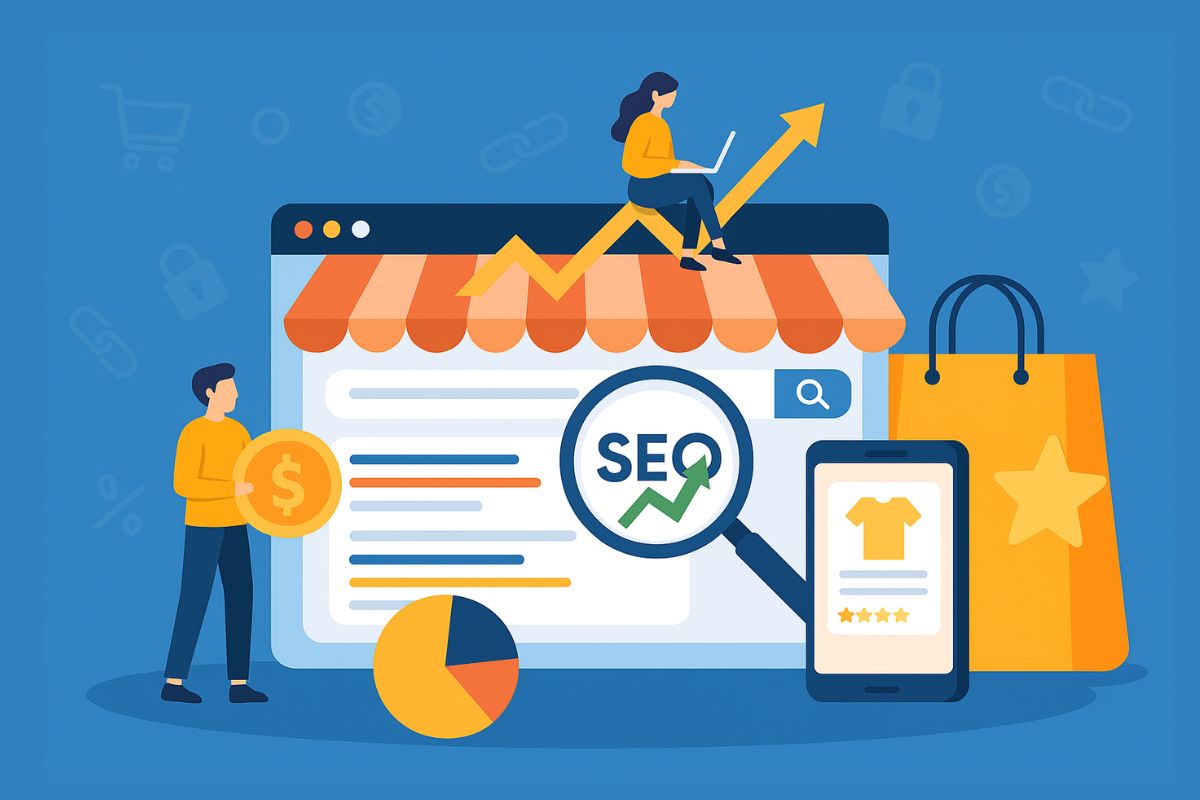
Do you dream of owning a thriving online marketplace that consistently attracts visitors and converts them into loyal customers? If you’ve been struggling to get meaningful traffic to your site, you’re not alone. The digital landscape is saturated, and standing out requires more than just a good product. This is where the role of SEO becomes essential. With the right strategies, search engine optimization can elevate your brand visibility, draw organic traffic, and ultimately drive revenue. Let’s explore how SEO can become your marketplace’s strongest growth tool.

Understanding the Role of SEO in Online Marketplaces
At its core, SEO—or search engine optimization—is the practice of improving your website’s visibility in search engine results. When done right, SEO ensures that your marketplace appears when potential customers search for relevant products or services. It’s not just about getting clicks, it’s about getting the right clicks.
In online marketplaces, where competition is fierce and product discovery is everything, SEO helps ensure that your listings, categories, and content are easily found by search engines, and by extension, your audience.
Effective SEO encompasses:
- On-page SEO: Optimizing content, tags, URLs, images, and site structure
- Off-page SEO: Earning backlinks, building domain authority, and enhancing trust
- Technical SEO: Ensuring fast load speeds, mobile-friendliness, and proper indexing
Understanding and implementing these components is crucial to boosting your marketplace’s online visibility.
Keyword Research: Your SEO Foundation
One of the most critical tasks in SEO is keyword research. Why? Because it reveals exactly what your potential customers are searching for. Choosing the right keywords means you’ll show up in search results for queries that matter.
Here’s how to approach it:
- Start with seed keywords that describe your products or services.
- Use tools like Google Keyword Planner, Ubersuggest, or Ahrefs to evaluate search volume and competition.
- Target a mix of high-intent, long-tail keywords and broader terms.
For example, if you sell handmade pottery, keywords like “handcrafted ceramic mugs” or “artisan pottery bowls” can bring in users looking to buy, not just browse.
On-Page Optimization for Marketplace Success
On-page SEO helps ensure that every page on your site sends clear signals to search engines. In an online marketplace, that means optimizing product pages, category pages, and blog content.
Key areas to focus on:
- Title Tags & Meta Descriptions: Every page should have a unique title and a compelling meta description with relevant keywords.
- Header Tags (H1, H2, etc.): Use these to organize your content for both users and search engines.
- Product Descriptions: Write unique, keyword-rich descriptions that provide value, not just fluff.
- Alt Text for Images: Describe your images clearly to improve image search visibility.
- Internal Linking: Link related products and categories to keep users engaged and help search engines crawl your site effectively.
Optimizing Product Listings for Search Engines
Your product listings are the lifeblood of your marketplace. Each listing should be treated as its own SEO opportunity.
Tips for improving product page SEO:
- Use unique and descriptive product titles.
- Incorporate target keywords naturally in descriptions.
- Include customer reviews to build trust and keyword variety.
- Add high-quality images with relevant alt text.
- Use structured data (schema markup) to enhance your listings in search results.
Building Backlinks and Increasing Domain Authority
Backlinks—links from other websites to yours—are one of the strongest signals Google uses to assess your site’s authority.
How to earn quality backlinks:
- Guest Posting: Contribute articles to relevant blogs in your niche.
- Partnerships & Influencer Outreach: Collaborate with creators or brands who can link to your marketplace.
- Content Marketing: Publish valuable blog posts, buying guides, or videos that others want to reference.
- Press Releases: Share newsworthy updates that can attract coverage and backlinks.
Focus on acquiring backlinks from reputable sites, as quality matters more than quantity. Over time, strong backlinks boost your domain authority and improve your rankings.
Technical SEO: The Invisible Advantage
Technical SEO might not be visible to your visitors, but it plays a vital role in how search engines view and rank your site.
Checklist for strong technical SEO:
- Mobile-first design that works seamlessly on all devices
- Fast page load times (ideally under 2 seconds)
- Secure HTTPS connection
- Clean URL structures and proper redirects
- A comprehensive XML sitemap and robots.txt file
- No broken links or crawl errors
Tools like Google Search Console and Screaming Frog can help you identify and fix technical SEO issues before they affect performance.
Measuring and Improving Your SEO Strategy
SEO isn’t a one-time effort—it’s a continuous process. Tracking your performance helps refine your strategy and identify what’s working.
Use tools like Google Analytics and Google Search Console to:
- Monitor organic traffic and user behavior
- Track keyword rankings and trends
- Identify high-performing pages and opportunities
- Measure conversion rates and bounce rates
- Spot issues affecting visibility or load speed
Adjust your strategy regularly based on data. SEO success takes time, but consistent improvements compound over time.
Staying Ahead: SEO Trends That Matter in 2025
SEO evolves quickly, and keeping pace with current trends helps you stay competitive.
Key trends to watch:
- AI and Search Intent: Focus on user intent, not just keywords. Google’s algorithms now understand context better than ever.
- Voice Search Optimization: Optimize for conversational phrases and questions.
- Video SEO: Use video content to increase time-on-page and ranking signals.
- Core Web Vitals: Prioritize user experience metrics like loading, interactivity, and visual stability.
By staying updated, your marketplace can stay ahead of algorithm changes and evolving user behavior.
Why the Role of SEO Is Non-Negotiable
In the crowded world of online marketplaces, visibility is everything. Without a solid SEO foundation, even the best products can go unnoticed. The role of SEO is not just to boost rankings—it’s to connect your offerings with the right audience at the right time. When executed effectively, SEO becomes one of the most cost-effective and sustainable ways to drive traffic and grow your business.
Whether you’re just starting or looking to refine your current strategy, now is the time to invest in SEO. Not only will it help you attract more customers, but it will also position your marketplace as a trusted, authoritative destination in your niche.
Start optimizing today—and watch your traffic grow tomorrow.
Interesting Reads
12 Best WordPress Plugins for Audio Player and Podcast 2025
7 Must-Use WordPress Plugins for SEO Professionals
How to Use Data Analytics to Improve Your Online Marketplace?
