Update (August 26, 2025): Google has officially launched its newest innovation, the Nano Banana AI-powered image editing tool integrated into the Gemini app. Positioned as a leap forward in creative technology, Nano Banana combines the precision of advanced machine learning with playful, intuitive design. The result is a tool that not only preserves identity consistency in photo editing but also unlocks new creative avenues for personal and professional use.
Developed by Google DeepMind, Nano Banana—internally known as the Gemini 2.5 Flash Image model—is already being hailed as a game-changer in AI-assisted creativity. It allows users to transform, blend, and animate images simply by typing natural language prompts. Unlike earlier AI image editors, Nano Banana excels at preserving the original appearance of people, pets, and objects across edits, addressing a long-standing issue with generative image tools.
With its global rollout across mobile and web, competitive enterprise pricing, and widespread enthusiasm from creators and marketers, Nano Banana is poised to redefine the future of creative photo editing.

What is Google’s Nano Banana?
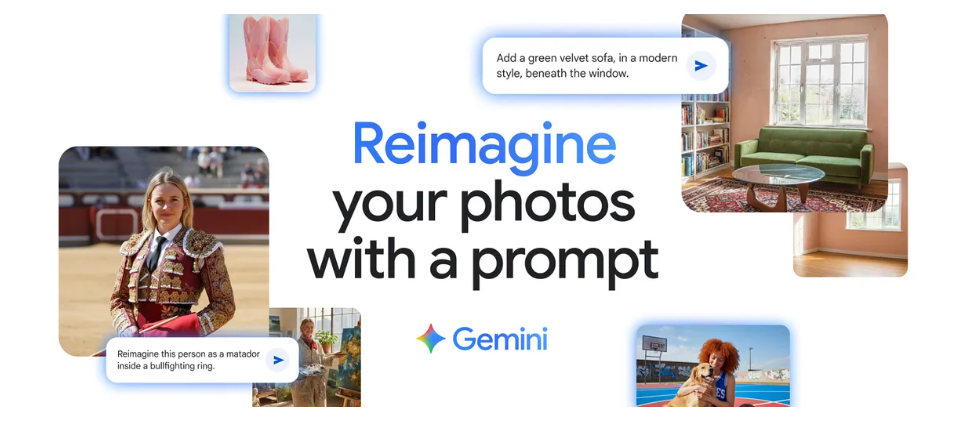
At its core, Nano Banana is a generative AI image editor. However, it differs from traditional editors in two significant ways:
- Natural Language Editing: Instead of relying on manual adjustments, sliders, or advanced software knowledge, users can describe the changes they want in plain English (or other supported languages).
- Identity Preservation: Nano Banana ensures that the subject’s likeness—whether a human face, a pet, or an object—remains consistent, even across multiple rounds of editing.
This combination makes the tool not only more accessible to beginners but also powerful enough for professionals. From enhancing family photos to designing ad campaigns, Nano Banana bridges the gap between personal creativity and commercial production.
Key Features and Capabilities of Nano Banana
1. Identity Consistency
Most existing AI photo editors struggle with subject consistency. For instance, a person’s face may slightly change when altering backgrounds or clothing in AI-generated edits. Google’s Nano Banana overcomes this challenge. Using advanced deep learning models, it locks the core identity of subjects, ensuring facial features, hairstyles, and even pets remain true-to-life throughout all transformations.
This feature has already been recognized as a breakthrough in creative AI tools, as it allows users to maintain authenticity in personal photos while giving marketers confidence that brand assets won’t lose their intended look.
2. Multi-Turn Editing
Nano Banana supports step-by-step editing, known as multi-turn editing. Instead of creating one-off modifications, users can build their edits iteratively. For example:
- Start with a portrait.
- Add a new outfit.
- Change the background to a scenic beach.
- Introduce additional elements, such as props or lighting adjustments.
Each change builds upon the last, while still preserving the subject’s likeness. This mirrors how professional designers work—refining an image in stages—but makes it accessible to everyday users.
3. Photo Blending
With Nano Banana, you can merge multiple photos into a single cohesive image. For instance:
- Blend a landscape shot with a portrait.
- Transform textures from one photo (like butterfly wings) into a dress pattern.
- Combine family photos into a stylized group shot.
This creative capability blurs the line between photography and digital art, empowering users to produce visuals that were once limited to advanced design software.
4. Design Mixing
Nano Banana also introduces a unique design mixing feature. It allows users to borrow styles, textures, or patterns from one image and apply them to another. For example, a wallpaper pattern could become part of a fashion design, or textures from nature could be transformed into graphic elements.
This opens doors for fashion designers, graphic artists, and advertisers, enabling rapid concept creation without hours of manual editing.
5. Animated Video Generation
Nano Banana’s capabilities go beyond static images. By feeding edited photos back into Gemini, users can generate animated videos. This extends creative potential to motion graphics and storytelling, making it a powerful tool for marketers, educators, and content creators.
Imagine turning a series of edited vacation photos into a dynamic slideshow or crafting animated ads directly from product shots—all powered by AI prompts.
6. Transparency Through Watermarking
AI-generated media raises valid concerns about authenticity. To address this, Google has incorporated two levels of watermarking into Nano Banana outputs:
- A visible watermark for clear labeling.
- An invisible SynthID watermark for tamper-proof authentication.
This ensures audiences know when content has been AI-generated, building trust and transparency in creative outputs.
Availability and Pricing
Nano Banana is now available globally on Android, iOS, and the web within the Gemini app. Both free and paid Gemini users can access it, making it widely available to everyday users.
For developers and enterprises, Nano Banana is accessible via:
- Gemini API
- Google AI Studio
- Vertex AI
Pricing is competitive:
- $0.039 per image generated
- $30 per million output tokens
This affordable structure enables businesses to scale creative production without significant cost barriers, while individual users benefit from easy access within the Gemini ecosystem.
Reception and Market Potential
Industry Reaction
Nano Banana’s launch has drawn praise from creators, marketers, and enterprises alike. Its ability to maintain high fidelity and subject consistency has set it apart from rivals. According to early reports, it currently tops industry leaderboards for AI image editing, outperforming competitors like OpenAI’s GPT-4o in terms of user satisfaction and image accuracy.
Creator Community Buzz
Content creators are particularly enthusiastic about the prompt-driven workflow, which allows them to achieve high-quality edits without advanced technical expertise. The ability to blend, animate, and iterate on designs makes it appealing for digital artists, YouTubers, and social media influencers.
Enterprise and Marketing Adoption
Marketers see enormous potential in Nano Banana’s identity preservation and blending features. Brands can maintain consistent imagery across campaigns, experiment with new designs rapidly, and generate content tailored to specific audiences—all while ensuring ethical transparency through watermarking.
Comparing Nano Banana to Competitors
While competitors like MidJourney, DALL·E, and Stable Diffusion dominate the AI art space, they often face challenges with consistency and professional reliability. Nano Banana addresses these pain points by focusing on:
- Identity fidelity.
- Multi-turn iterative editing.
- Professional watermarking for trust.
- Integration into the broader Gemini ecosystem makes it easy to pair with Google’s existing AI tools.
This makes Nano Banana not just a consumer novelty, but also a serious enterprise tool.
Real-World Applications of Nano Banana
1. Personal Creativity
- Edit vacation photos with fun backdrops.
- Create stylized portraits for social media.
- Generate custom birthday cards or invitations.
2. Marketing and Advertising
- Produce ad visuals with consistent brand identity.
- Blend product photos with lifestyle imagery for campaigns.
- Generate promotional animations directly from product images.
3. Education and Training
- Teachers can create custom visuals for lessons.
- Training materials can be quickly adapted for different audiences.
- Students can explore creative projects without needing advanced software.
4. Entertainment and Media
- Content creators can design thumbnails, posters, and animations.
- Filmmakers can prototype concept art and visual scenes.
- Social influencers can produce unique visuals to stand out online.
Ethical Considerations and Transparency
AI-generated media often raises questions about misuse and misinformation. Google addresses this head-on with responsible AI practices:
- Mandatory watermarking ensures accountability.
- Tools are integrated with content transparency frameworks.
- Google prioritizes creative innovation without compromising ethical responsibility.
This commitment reassures both users and regulators that Nano Banana is not just powerful but also responsibly managed.
The Future of Creative AI with Nano Banana
The launch of Nano Banana signals Google’s strategic shift toward making AI accessible for creativity at scale. By combining fun, intuitive features with professional-grade consistency, Google is building a platform that appeals to both everyday users and enterprise clients.
Looking forward, Nano Banana could evolve into:
- A central hub for creative content generation across Google’s ecosystem.
- A tool that integrates with other apps like Google Photos, YouTube, and Workspace.
- A driver of new creative industries where AI assists, rather than replaces, human imagination.

Big Potential in a Small Tool
The launch of the Google Nano Banana marks a new chapter in creative technology. With features such as identity preservation, multi-turn editing, photo blending, design mixing, and animated video generation, it offers capabilities unmatched in the AI editing space.
Its transparent watermarking approach ensures ethical use, while global availability and competitive pricing make it accessible to everyone—from hobbyists to enterprises. By outperforming rivals in fidelity and ease of use, Nano Banana has already established itself as a market leader.
Ultimately, Nano Banana embodies Google’s vision of making AI creative, responsible, and accessible. As more people and businesses adopt it, the tool promises not only to enhance photo editing but also to redefine how we tell visual stories in the digital age.
Interesting Reads
How to Create a Shopify-Style Multi-Step Checkout in WooCommerce
Google I/O 2025 Unveils the Future of AI with Gemini and Beyond
Google Tag Manager vs Google Analytics: Features, Benefits, and Key Differences
