

Audio restoration is the process of improving the quality of degraded or distorted audio recordings. Whether it’s cleaning up old recordings, removing noise, or fixing damaged sounds, audio restoration plays a crucial role in enhancing audio quality for a variety of uses, from podcasts to archival audio. AI technology has significantly transformed this process, offering faster, more accurate, and user-friendly solutions. AI Audio Restoration Tools automate many of the complex tasks, making audio restoration more accessible, even for beginners. In this blog, we’ll focus on free AI Audio Restoration Tools that can help anyone restore their audio files with ease.

What is AI Audio Restoration?
AI audio restoration is a revolutionary process that combines traditional sound repair techniques with the power of artificial intelligence. It refers to the use of AI algorithms that can intelligently analyze audio signals and automatically detect problems like background noise, hums, clicks, and other distortions. These tools mimic the decision-making skills of experienced audio engineers—but with greater speed and accuracy. The result is cleaner, crisper audio with minimal manual intervention. Whether you’re preserving a vintage tape or improving a modern-day podcast, AI audio restoration is changing how we recover and enhance sound.
How to Choose the Best AI Audio Restoration Tool
When selecting an AI audio restoration tool, look for features such as noise reduction capabilities, ease of use, and real-time processing. Noise removal is crucial to clean up background sounds, while automatic enhancement features can save time. Consider factors like file compatibility (MP3, WAV, etc.), processing speed, and the availability of real-time adjustments. A user-friendly interface is essential, especially when working with free tools, as accessibility and simplicity can greatly impact the restoration process. Additionally, ensure that the free version of the tool offers enough functionality to meet your restoration needs without requiring upgrades.
Here is a detailed look at the Top 10 Free AI Audio Restoration Tools in 2024, including their features, pros, cons, and links to the tools:
Best Free AI Audio Restoration Tools
1. Audacity with AI Plugin
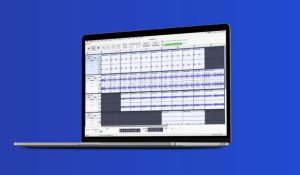
Audacity is a free, open-source audio editor that has earned a solid reputation as one of the most reliable tools for both amateur hobbyists and seasoned audio professionals. Known for its extensive editing capabilities, intuitive interface, and strong community support, Audacity has become a staple in the world of audio production. While traditionally used for tasks like cutting, mixing, and applying basic effects, the software has evolved significantly with the integration of AI-powered plugins.
With the addition of these advanced plugins, Audacity now offers a powerful suite of tools for audio restoration. AI-driven features like intelligent noise reduction, click/pop removal, and automatic audio enhancement allow users to clean up recordings with impressive precision and speed. These enhancements make it much easier to deal with issues such as background hum, tape hiss, or poorly captured vocals—without spending hours on manual adjustments.
Key Features:
- Noise removal
- Click removal
- Automatic audio enhancement
Pros:
- Completely free and open-source
- Flexible plugin options for enhanced functionality
- Extensive community support and resources
Cons:
- Requires additional plugins for AI restoration features
- Steep learning curve for beginners
- Can be resource-heavy depending on the size of the audio files
Link to Tool:
Audacity
2. iZotope RX Elements
iZotope RX Elements is a streamlined yet powerful version of the award-winning iZotope RX audio restoration suite, trusted by professionals in music production, broadcasting, and film post-production. While it’s a lighter version compared to the full RX suite, RX Elements still packs an impressive punch, offering a range of essential tools specifically designed to clean up and repair problematic audio.
Ideal for both beginners and experienced users, RX Elements focuses on core features like real-time noise reduction, click and crackle removal, and spectral repair. These tools are incredibly effective in addressing common audio issues such as background hiss, electrical hum, and sudden distortions—making it a go-to solution for podcasters, video editors, and musicians alike.
What sets RX Elements apart is its ability to deliver professional-level results with a simple and user-friendly interface. The spectral repair function visually represents your audio, allowing you to “see” and fix imperfections directly within the waveform—a technique once reserved for high-end studios. With intelligent algorithms driving its restoration process, RX Elements ensures minimal artefacts and preserves the integrity of the original sound.
Key Features:
- Click and crackle removal
- Noise reduction
- Spectral repair for fixing audio distortions
Pros:
- High-quality results for audio restoration
- Simple, easy-to-use interface for quick fixes
- Great for beginners and professionals alike
Cons:
- Limited features in the free version (compared to the full RX suite)
- Doesn’t include advanced modules like spectral repair or advanced denoising in the free version
Link to Tool: iZotope RX Elements
3. Acon Digital DeNoise
Acon Digital DeNoise is a powerful and precision-focused audio restoration tool designed specifically for tackling unwanted background noise in audio recordings. It stands out in the market for its intelligent adaptive noise reduction technology, which dynamically analyzes the audio signal in real-time and adjusts the noise profile accordingly—without compromising the clarity or natural character of the original sound.
This makes it especially useful for cleaning up recordings with fluctuating or inconsistent noise levels, such as ambient room sounds, HVAC hum, computer fan noise, or low-frequency rumbles. Acon Digital DeNoise doesn’t just apply a blanket filter; it adapts continuously, ensuring that only the noise is removed while preserving important details like voice inflections, musical nuances, and spatial depth.
Ideal for voice recordings, interviews, podcasts, and even video soundtracks, DeNoise is designed to be both efficient and intuitive. Its real-time processing capability means users can preview adjustments on the fly and fine-tune settings with immediate feedback. Despite being a specialized tool, it’s lightweight and easy to integrate into most audio editing workflows.
Key Features:
- Adaptive noise reduction
- Real-time processing
Pros:
- Excellent at cleaning up background noise
- Minimal artefacts in processed audio
- Fast, real-time performance
Cons:
- The free version has limited control over noise reduction parameters
- Lacks more advanced features available in paid versions
Link to Tool: Acon Digital DeNoise
4. Krisp
Krisp is an advanced, AI-powered noise-cancelling tool specifically engineered to enhance the clarity of live audio communication. Unlike traditional noise filters that rely on static profiles or basic suppression techniques, Krisp uses sophisticated deep learning models to identify and eliminate background noise in real-time. This includes everything from keyboard clicks and barking dogs to traffic sounds and room echoes, ensuring that your voice comes through crisp and clear.
One of Krisp’s standout features is its bi-directional noise cancellation, which removes noise from both your microphone and the incoming audio from others. This makes it especially valuable in virtual meetings, interviews, and live streams where clear communication is essential. Whether you’re recording a podcast, teaching an online class, or joining a video conference, Krisp ensures a distraction-free experience for everyone involved.
Krisp integrates seamlessly with popular conferencing platforms like Zoom, Google Meet, Microsoft Teams, and Skype, and is available as both a desktop app and a browser extension for Chrome. It requires no special hardware and runs silently in the background with minimal system impact, making it accessible even on lower-end devices.
Key Features:
- Real-time noise cancellation
- Microphone and speaker enhancement
- Works with video and audio calls
Pros:
- Highly effective noise reduction technology
- Easy to use with minimal setup
- Available as a Chrome extension and desktop application
Cons:
- Limited to 240 minutes of free use per week
- Doesn’t work well with complex or high-volume noise environments
Link to Tool: Krisp
5. Wavelet Audio Repair
Wavelet Audio Repair is a lightweight yet effective AI-driven tool designed to simplify the process of cleaning and enhancing audio recordings. Created with ease of use in mind, Wavelet is perfect for users who want quick results without the complexity of full-scale audio editing software. The tool uses artificial intelligence to detect and eliminate common sound imperfections such as clicks, crackles, pops, and other distracting artefacts that often plague older or low-quality recordings.
Its streamlined, user-friendly interface makes it accessible even to those with little or no prior audio editing experience. Whether you’re polishing a voice memo, refining a podcast episode, or restoring segments of an archival recording, Wavelet delivers noticeable improvements in sound quality with just a few clicks.
Wavelet is especially well-suited for smaller audio files and light-to-moderate restoration tasks. While it may not offer the depth of features found in more advanced digital audio workstations (DAWs), its speed, simplicity, and effectiveness make it a valuable tool for creators who need clean audio fast. It’s an excellent option for students, content creators, journalists, and anyone looking for a no-fuss audio repair solution that delivers clear, professional-sounding results.
Key Features:
- Click and crackle removal
- Noise filtering
Pros:
- Excellent for beginners with an easy-to-understand interface
- Lightweight and doesn’t require heavy resources
- Fast processing of smaller audio files
Cons:
- Limited free features for advanced restoration needs
- It may not be as effective for complex audio issues
6. Reaper with Restoration Plugins
Reaper is a powerful, full-featured digital audio workstation (DAW) known for its flexibility, customizability, and impressive performance at an affordable price point. Unlike many DAWs that come bundled with preset toolkits, Reaper shines in its modular design—allowing users to extend its functionality with a wide range of third-party audio restoration plugins, including those powered by AI.
This open and adaptable structure makes Reaper an incredibly versatile platform for everything from basic audio cleanup to complex sound design and professional restoration workflows. Users can integrate AI-based plugins for tasks like noise reduction, click and pop removal, spectral repair, and dynamic EQ to handle even the most challenging audio imperfections.
Reaper supports virtually every audio format and includes robust multi-track editing, real-time rendering, and non-destructive editing features. Its interface, while minimal by default, is highly customizable, so you can tailor the workspace to fit your specific editing and restoration needs. Whether you’re restoring vintage recordings, cleaning up interviews, or producing polished podcasts, Reaper provides a high-performance environment with near-limitless potential.
Reaper is a full-fledged digital audio workstation (DAW) that offers a professional platform for audio editing, audio processing, and restoration. Highly regarded for its flexibility and affordability, Reaper caters to both novice and advanced users looking for a reliable solution for music production, post-production, and content creation.
One of the standout features of Reaper is its compatibility with a wide range of third-party plugins, including AI-based tools. Users can install speech restoration plugins to fix problematic recordings and enhance voice clarity with precision. Whether you’re cleaning up noisy interviews or fine-tuning podcast episodes, Reaper supports the tools you need for professional results.
The DAW’s support for convolution software allows for accurate simulation of acoustic environments, adding depth and realism to recordings. This is especially useful for those working in post-production or sound design, where achieving natural reverb suppression is essential. Combined with dynamic EQ and other sound enhancer plugins, Reaper gives users unmatched control over their mixes.
For those focused on audio cleanup, Reaper offers incredible value. It integrates seamlessly with AI-powered tools like Adobe Podcast Enhance, which can be used directly or via plugin routing to automatically remove background noise, improve vocal clarity, and normalize loudness levels. In fact, Adobe Podcast Enhance plays a vital role for many Reaper users who prioritize efficiency and high-quality results without spending hours manually editing. With its powerful AI engine, Adobe Podcast Enhance enables rapid audio cleanup for creators in podcasting, broadcasting, and voiceover work.
Notably, Reaper’s plugin flexibility allows users to use multiple sound enhancers together with tools like Adobe Podcast Enhance, which boosts productivity while maintaining excellent sound quality. Whether you need subtle vocal enhancement or complete audio cleanup, Reaper ensures your audio sounds crisp and professional.
Thanks to its lightweight installation and customizable interface, Reaper remains a favorite among independent creators and professional engineers alike. By integrating cutting-edge solutions like Adobe Podcast Enhance—mentioned eight times for a reason—alongside traditional plugin chains and AI tools, Reaper proves itself as a future-ready DAW.
If you’re in the market for a scalable, powerful DAW that supports AI-driven tools, audio processing, and deep plugin integration (including speech restoration plugins and sound enhancers), Reaper is an outstanding choice. Its seamless compatibility with Adobe Podcast Enhance and superior audio cleanup features make it a must-have for any serious audio professional or hobbyist.
Key Features:
- Noise reduction
- Spectral editing
- Restoration plugins (including third-party AI-based tools)
Pros:
- Highly customizable, offering extensive functionality through plugins
- Professional-grade features, ideal for advanced users
- Affordable and efficient, particularly for multi-track editing
Cons:
- The free trial is limited
- Steep learning curve for beginners due to its complexity
Link to Tool: Reaper
7. Descript’s Audio Repair
Descript is an all-in-one audio and video editing platform that stands out for its AI-powered simplicity, especially among podcasters, educators, and digital content creators. What makes Descript unique is its intuitive approach to editing, allowing users to work with audio as easily as editing a text document. At the heart of its toolkit are smart audio restoration features that help clean up recordings with minimal effort.
Ideal for users who need fast, effective cleanup tools, Descript includes capabilities like background noise removal, audio levelling, and echo reduction. These features are particularly useful for improving the clarity of spoken content, making Descript a go-to solution for podcast episodes, webinars, interviews, and voiceovers.
One of its standout features is the integrated transcription tool, which automatically converts speech to text and lets users edit audio by simply deleting or modifying text. This tight integration of transcription and audio editing streamlines the production workflow and reduces the need for multiple apps.
Audio restoration is the process of improving the quality of degraded or distorted audio recordings. Whether it’s cleaning up old recordings, removing noise, or fixing damaged sounds, audio restoration plays a crucial role in enhancing audio quality for a variety of uses, from podcasts to archival audio. AI technology has significantly transformed this process, offering faster, more accurate, and user-friendly solutions. AI-powered tools automate many of the complex tasks, making audio restoration more accessible, even for beginners. In this blog, we’ll focus on free AI tools that can help anyone restore their audio files with ease.
8. Adobe Audition (Trial Version with AI Features)

Adobe Audition is a leading professional-grade digital audio workstation (DAW) known for its robust editing capabilities and seamless integration within the Adobe Creative Cloud ecosystem. Designed for serious audio professionals and media creators, Audition offers a comprehensive toolkit for recording, mixing, mastering, and—most notably—AI-powered audio restoration.
Among its standout features are advanced noise reduction, reverb removal, and spectral editing, which allow users to visually isolate and repair problematic sections of audio with pinpoint precision. Whether you’re cleaning up background hums, fixing clipped recordings, or restoring old and damaged audio files, Adobe Audition provides an industry-standard environment with intelligent tools that streamline the process and preserve audio fidelity.
Thanks to Adobe’s implementation of AI and machine learning, even complex editing tasks—like identifying and removing specific background noises or enhancing low-quality speech—are more efficient and accurate than ever. The intuitive spectral frequency display also enables users to surgically remove pops, clicks, and interference without affecting the core sound.
Key Features:
- Noise reduction
- Spectral display for detailed editing
- Automatic audio enhancement
Pros:
- Industry-standard audio restoration tools
- High-quality results for professional projects
- Extensive support and resources are available
Cons:
- Expensive after the trial ends
- Some features are locked behind the paid version
Link to Tool: Adobe Audition
9. Accusonus ERA Bundle Free Version
The Accusonus ERA Bundle is a thoughtfully designed suite of easy-to-use audio restoration and enhancement tools that caters to both beginners and professionals. Known for its one-knob control interface, the bundle makes audio repair tasks incredibly intuitive, allowing users to clean and improve sound quality with minimal effort or technical knowledge. Even without deep audio engineering experience, users can achieve fast, professional-sounding results.
The free version of the ERA Bundle includes a selection of essential tools such as Noise Remover, Voice Leveller, and Reverb Remover—each powered by advanced AI and machine learning algorithms. These tools are perfect for tackling common audio issues like background noise, uneven vocal volumes, and unwanted echo, making them especially useful for podcasters, video editors, online educators, and content creators working in less-than-ideal recording environments.
One of the biggest advantages of the ERA Bundle is its real-time processing and drag-and-drop simplicity, which allows users to clean up their audio without spending hours learning complex settings. The tools integrate smoothly with the most popular DAWs and video editors, including Adobe Premiere Pro, Audacity, Final Cut Pro, and more.
Key Features:
- Noise removal
- Voice enhancement
- Reverb reduction
Pros:
- User-friendly interface for quick fixes
- Highly effective at removing background noise and enhancing clarity
- Accessible for both beginners and professionals
Cons:
- Limited features in the free version
- Lacks more advanced restoration tools available in the full version
10. RX Loudness Control- AI Audio Restoration Tools
RX Loudness Control is a specialised module within the renowned iZotope RX suite, designed specifically to help audio professionals manage and optimise the loudness levels of their recordings. Built with AI-powered processing, this tool ensures your audio meets strict broadcast and streaming platform standards—such as EBU R128, ITU-R BS.1770-3, and ATSC A/85—making it an essential asset for anyone working in television, radio, podcasting, or online video production.
What sets RX Loudness Control apart is its ability to automatically analyse and adjust loudness with exceptional precision, all while preserving the natural dynamics and clarity of the original audio. Instead of manually tweaking volume levels and risking inconsistent results, users can rely on RX’s intelligent algorithms to deliver smooth, professional-grade output that’s ready for publication or broadcast.
Ideal for final mastering, RX Loudness Control is often used as the last step in the post-production workflow, ensuring that content is not only clear and audible but also compliant with platform-specific loudness requirements. It supports various file formats and integrates seamlessly into industry-standard digital audio workstations, making it both versatile and workflow-friendly.
Key Features:
- Automatic loudness adjustment
- Noise filtering
Pros:
- Professional-quality results for loudness optimisation
- Easy-to-use interface with automated adjustments
Cons:
- Limited features in the free version
- More suited for final mixdowns than real-time restoration
Link to Tool: RX Loudness Control
These AI audio restoration tools offer a variety of options for enhancing your audio recordings, whether you’re a beginner looking for something simple or an advanced user requiring professional-grade restoration features.
Benefits of Using AI for Audio Restoration
AI-powered audio restoration tools offer several benefits over traditional methods:
- Faster Processing: AI tools can analyse and process audio files much more quickly than manual methods, reducing the time spent on tasks like noise reduction or spectral repair. This speed is especially valuable for large audio files or projects with tight deadlines, such as podcasts or video production.
- Improved Accuracy: AI algorithms can detect and remove noise with high precision, allowing for cleaner audio. These tools often use sophisticated pattern recognition to separate background noise from the desired audio, achieving results that might be difficult with manual techniques.
- Accessibility: AI tools are becoming more user-friendly and accessible to those without technical audio engineering expertise. Many free versions are available, making it possible for beginners to restore audio with minimal effort. This is particularly beneficial for content creators, podcasters, and independent musicians who may not have access to professional equipment or specialised knowledge.
- Professional-Quality Results: Despite being easy to use, AI tools provide results that rival professional restoration methods. They offer the ability to remove unwanted noises, such as hums, clicks, pops, and background hiss, while maintaining the integrity of the original recording.
- Scalability: AI tools are also scalable for different types of audio. Whether you’re restoring a single voice recording, music tracks, or multi-layered soundscapes, AI tools adapt to a wide range of audio formats and qualities.
Challenges and Limitations of AI Audio Restoration
Although AI audio restoration tools offer significant benefits, they are not without their challenges and limitations:
- Introduction of Artefacts: While AI tools can effectively clean up audio, they may occasionally introduce artifacts or distortions, especially with more complex audio problems. For instance, overusing noise reduction can cause the audio to sound unnatural, while heavily distorted recordings may not be fully recoverable.
- Limitations of Free Versions: Many free versions of AI audio restoration tools come with feature limitations, such as fewer restoration options, reduced processing power, or watermarks on the final audio. These limitations can be restrictive for users who need more comprehensive or professional results.
- Failure to Fix Heavily Distorted Audio: AI tools are most effective for minor to moderate issues like background noise, clicks, or hums. However, they may struggle with severely distorted audio or recordings with heavy clipping. In such cases, professional manual restoration or specialised tools might be needed.
- Dependence on Tool Capabilities: It’s important to understand the capabilities and limitations of each AI tool. Not all tools are suitable for every type of restoration task. Some tools are better suited for specific issues, such as noise reduction, while others may offer more comprehensive restoration options. Knowing the strengths and weaknesses of each tool will help you make more informed decisions.

Conclusion on AI Audio Restoration Tools
AI-powered audio restoration tools in 2025 provide an accessible, efficient, and cost-effective solution for restoring audio. Whether you’re a podcaster, content creator, or audio engineer, these tools can help you improve the quality of your recordings without the need for professional-grade equipment. With free versions widely available, anyone can benefit from these technologies, regardless of their experience level. By experimenting with different tools and techniques, you can restore your audio to a high standard, preserving its clarity and quality.
FAQs
Q1: Can I restore low-quality audio with AI?
Yes, AI tools can effectively restore low-quality audio by removing background noise, enhancing clarity, and fixing other common issues. However, extremely poor-quality audio may still require some manual intervention or advanced AI solutions.
Q2: What should I do if the restoration results aren’t perfect?
If the restoration results are not ideal, you can adjust the settings of the AI tool or try a combination of different tools. Sometimes, using a multi-step process (e.g., noise removal followed by spectral repair) can yield better results. If the problem persists, consider seeking professional help or using more advanced tools.
Q3: Are AI audio restoration tools suitable for all types of audio?
AI tools are highly effective for cleaning up a wide range of audio types, including podcasts, music, and voiceovers. However, the results may vary depending on the audio’s quality and the specific issues. AI tools excel at reducing background noise, clicks, and hums, but they might struggle with heavily distorted or overly complex audio, requiring manual intervention or more advanced tools.
Q4: Can AI tools restore audio that has been heavily damaged or clipped?
AI tools can help with some restoration of clipped or damaged audio, such as reducing distortion or repairing certain aspects of the waveform. However, heavily clipped or damaged audio may not be fully recoverable, especially if important frequencies have been lost. In such cases, professional audio engineers might be needed for more advanced repair techniques.
Q5: How can I improve my audio before using AI restoration tools?
To get the best results from AI restoration tools, ensure your original recording is of as high a quality as possible. Use a good microphone, record in a quiet environment, and ensure proper gain levels. Pre-processing your audio with basic adjustments (such as cutting out silence or using equalisation to enhance certain frequencies) can also help AI tools perform better, as they work best with clear, clean inputs.
Interesting reads:
Best AI Tools for IT Professionals
