

The world of education is changing fast. New technologies are making it easier for students to learn and succeed. One of the biggest changes is the use of artificial intelligence (AI) in studying. This guide will show you 10 of the best AI Tools to Study Smart, not harder.
AI is becoming a big part of how we learn. It’s not just a fancy new thing – it’s changing the way students study all over the world. In fact, 86% of students are already using AI to help them with their schoolwork. That’s a lot of students! And it’s not just a small change. The AI in education market is growing really fast. By 2033, it’s expected to be worth $75 billion. That’s a huge number!

How AI is Changing Education
The way we learn is changing because of AI. More and more students and teachers are using AI tools to help with studying. The market for AI in education is growing really fast. In 2023, it was worth $3.99 billion. Just one year later, in 2024, it’s already worth $5.57 billion. That’s a big jump! This growth is happening because people want learning that fits their needs better. They also like using digital tools to learn.
Top 10 AI Tools for Smarter Studying
1. Noiz
Noiz’s Research Paper Summarizer is a free tool that makes hard research papers easier to understand. It uses smart AI to find the main ideas in scientific papers and explain them clearly. You can choose the length of the summary and its appearance. It works with all kinds of papers, from short ones to long books. The tool is safe to use because it deletes your files immediately after summarising them. You don’t even need to sign up to use it.
2. ChatGPT

ChatGPT is a very popular AI tool for students. In fact, 83% of students use it for their studies. It’s excellent at explaining hard ideas in simple ways. It can give real-world examples to help you understand better. Many students find it helpful in generating ideas for essays or planning their assignments. ChatGPT is intelligent enough to know what you’re asking and provide helpful answers. It can be helpful with many different subjects, making it particularly useful for all kinds of students.
3. Grammarly
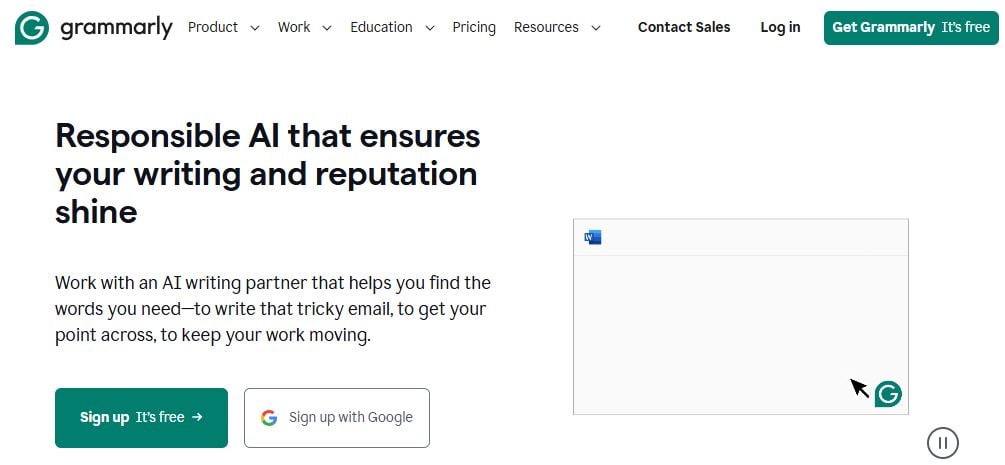
Grammarly is a tool that helps students write better. Over 30 million people use it. It checks your writing as you type and suggests ways to improve it. It examines aspects such as grammar, spelling, and style. This helps students improve their writing skills and enhance their essays. You can use Grammarly on different devices and websites, so it’s always there to help when you’re writing. It also checks for copying, which allows students to make sure their work is original.
4. Notion AI
Notion AI makes taking notes much smarter. It doesn’t just help you organise your notes – it can suggest new ideas and help you write. It’s great for collaborating with others on projects. The search feature is very effective at quickly finding what you need. Notion AI learns how you prefer to work and improves its assistance over time. It works well with other tools you might use for studying, so everything fits together nicely.
5. Quizlet
Quizlet is a study tool that utilises AI to enhance your learning experience. It assesses your progress and adjusts to meet your needs. It shows you things to review at just the correct times to help you remember them. Quizlet is particularly effective for subjects that require you to remember a large amount of information, such as languages or history. It makes studying more fun by turning it into a kind of game. It also tells you how you’re doing, which can help you see where you need to focus more.
6. Otter.ai
Otter.ai is ideal for students who want to focus on listening in class instead of taking notes. It records what people are saying and turns it into text that you can read later. This is particularly helpful for students who struggle with taking notes or for those learning in a language that’s not their native language. Otter.ai is smart enough to identify the main topics and key actions to take. You can share your notes with others, making it ideal for studying in groups as well.
7. Wolfram Alpha
Wolfram Alpha is super helpful for math and science subjects. It doesn’t just give you answers – it shows you how to solve problems step by step. This tool can handle all kinds of math, from simple adding to hard calculus. It’s also great for science subjects. When you use Wolfram Alpha, you don’t just get the answer; you learn how to get there. This makes it a really valuable tool for students studying STEM subjects.
8. Microsoft OneNote with Copilot Pro
Microsoft OneNote with Copilot Pro is like a super-smart notebook. It can write detailed notes and even tell you where it got the information from. It offers tools to help you create better and more organised notes. You can ask it questions about your notes, and it will help you understand them better. You can use your notes on any device, and it works well with other Microsoft tools. The AI part of it is really good at understanding what you need and giving helpful suggestions.
9. Mem
Mem is a clever note-taking tool. It features Smart Write and Edit, which help keep your notes clear and consistent. One cool thing about Mem is that it can automatically connect ideas in your notes. This helps you see how different things you’re learning are related. You can talk to Mem like you’re chatting with a friend to find information in your notes. It’s good at giving suggestions that fit what you’re studying. Mem can also help you rewrite things to make them clearer without changing the main idea.
10. Reflect
Reflect is great for turning your spoken ideas into well-organised notes. If you like to think out loud, this tool can turn what you say into clear, written notes. You can tell Reflect how you want your notes organised, and it will help set them up that way. It can make your notes longer or shorter, depending on what you need. If you’re getting ready to share your work with others, Reflect can help make sure it looks professional.
How Well These Tools Work
Research shows that these AI tools really do help students do better in school. 51% of college students say their grades got better when they started using AI tools. These tools also help students work more efficiently – 56% say they can accomplish more. Students use these tools in various ways: 44% use them to help solve problems, 43% use them to create study materials, and 42% use them to generate new ideas.
Keeping Information Safe
It’s essential to maintain the privacy of student information when utilising AI tools. There are over 128 laws in various states regarding the protection of student information. Schools must follow rules such as FERPA, PPRA, and COPPA when utilising AI tools. It’s essential for schools to regularly check their security and keep all student information stored securely.
What’s Next for AI in Education
The use of AI in education is going to keep growing. Experts think it will be worth $55.3 billion by 2032. That’s a lot more than it is now! This growth is occurring because more people are learning online and because AI tools are improving at providing personalised assistance to each student in their unique way. In the future, we may see more use of technologies like virtual reality and improved methods for assessing student progress.

Wrapping Up
AI tools are making big changes in how we learn. They’re providing students with new ways to learn that cater to their individual needs. When used carefully and with privacy in mind, these tools can significantly enhance learning and teaching. The key is to choose the right mix of tools and use them in a way that helps with learning without replacing the need for self-thinking.
Remember: The best way to use AI study tools is to use them wisely. They should help you learn, not do the learning for you.
Interesting Reads:
How Does Instagram Pay You? Instagram Monetization
